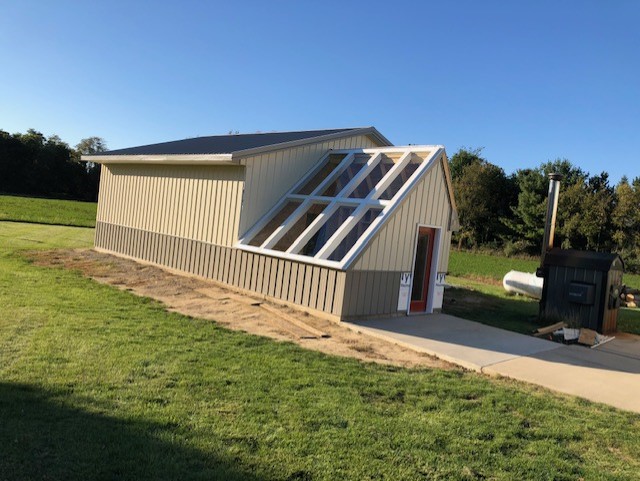
Solar Kiln
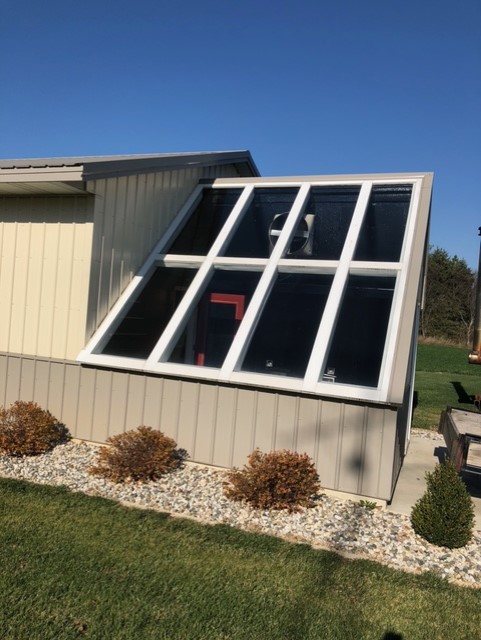
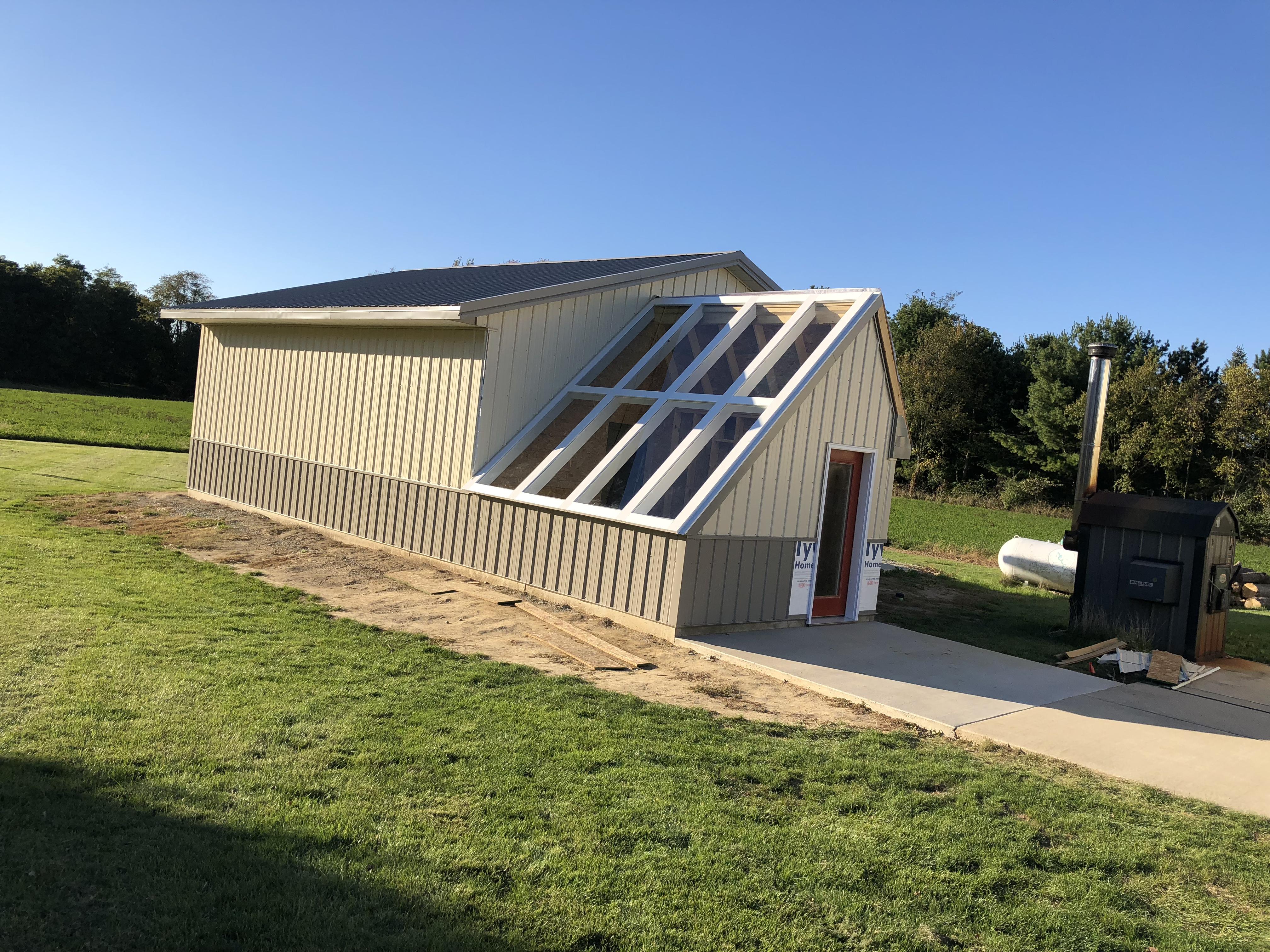
A 28×24 storage building with a 12×12 solar kiln built in 2008. Started alone after help fell through, then completed with a contractor neighbor. Fully insulated, sealed, and automated with PLC, Arduino sensors, and a Raspberry Pi monitor to control temperature, humidity, vents, and fan speed.
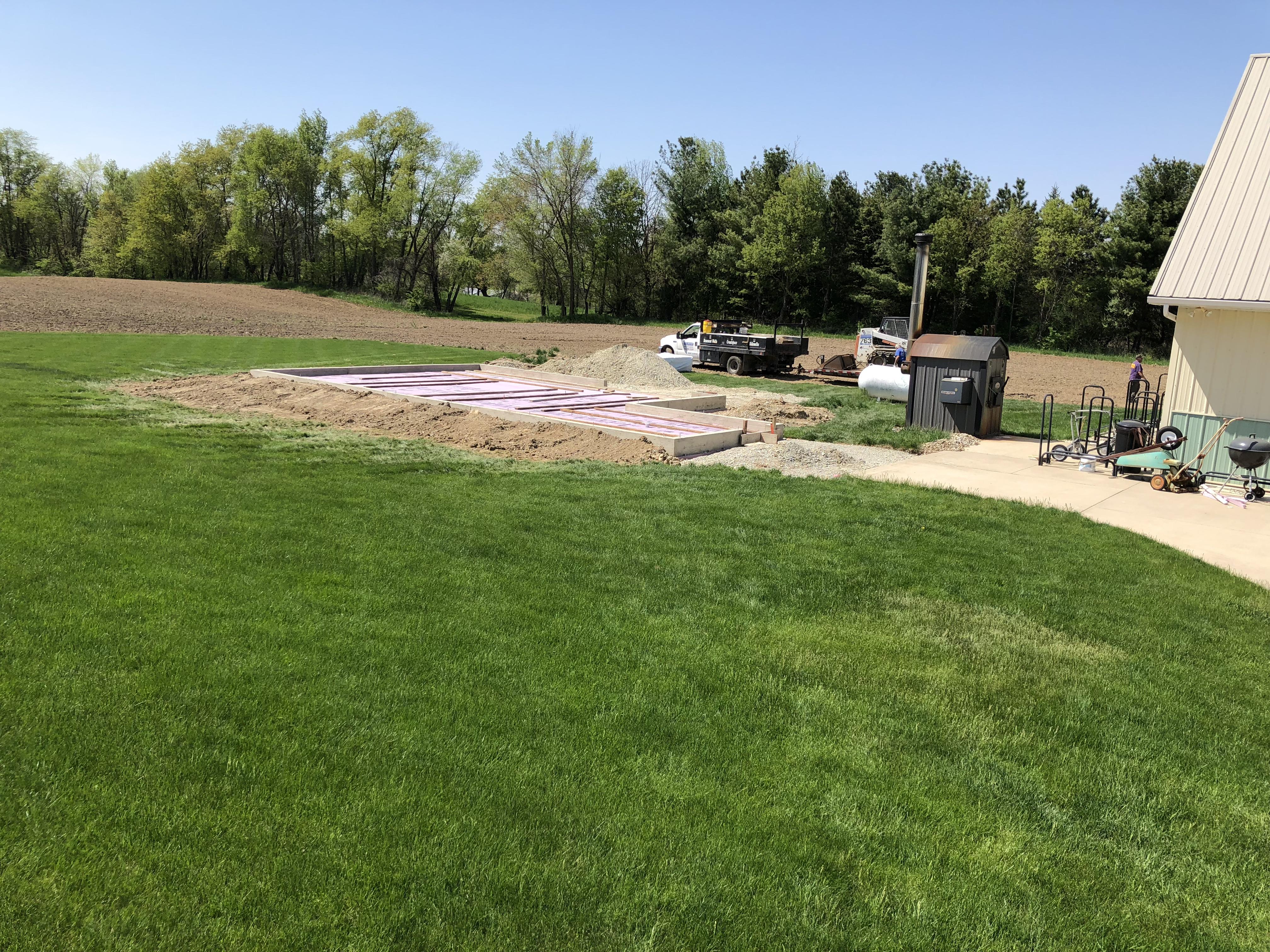
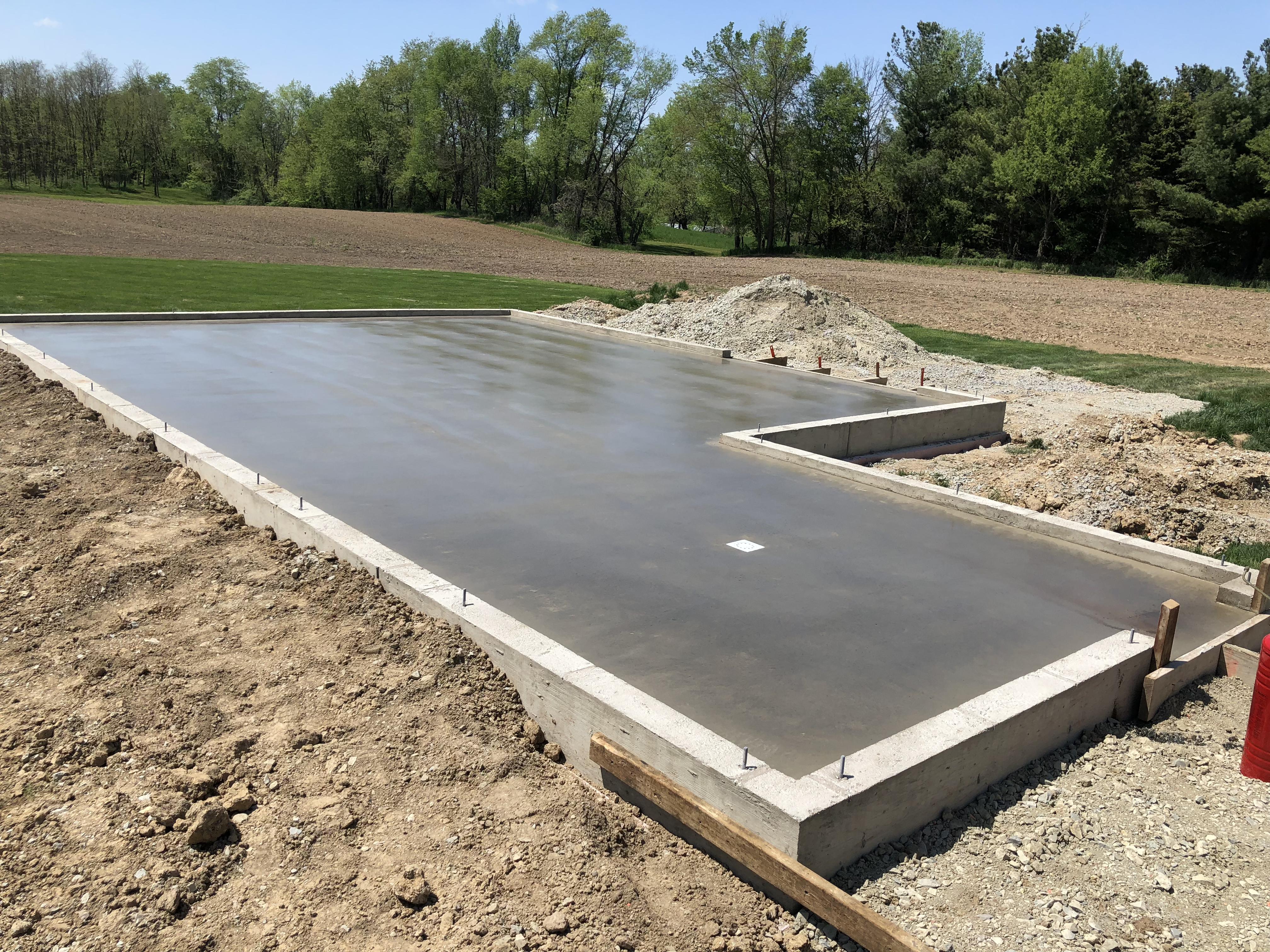
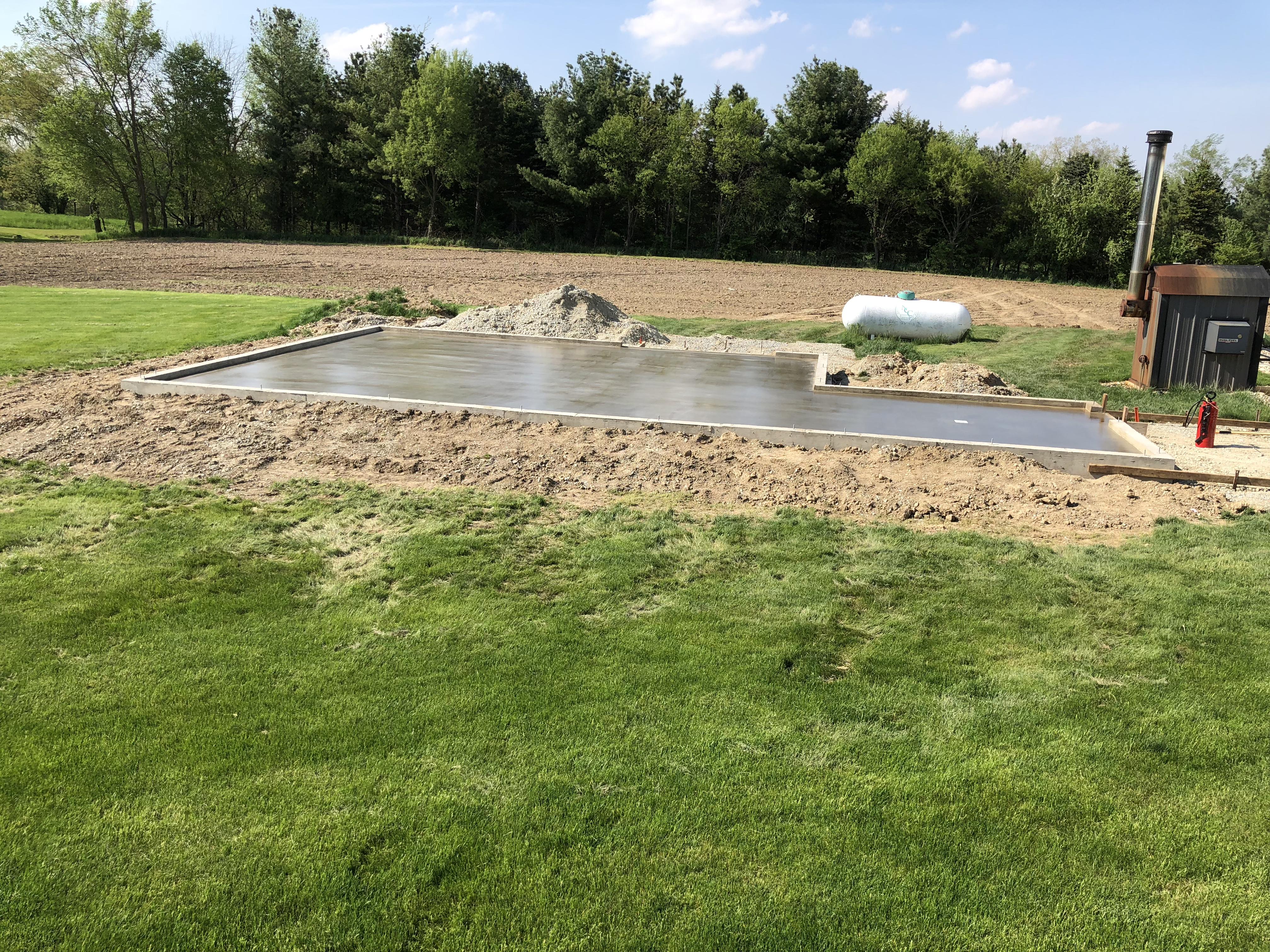
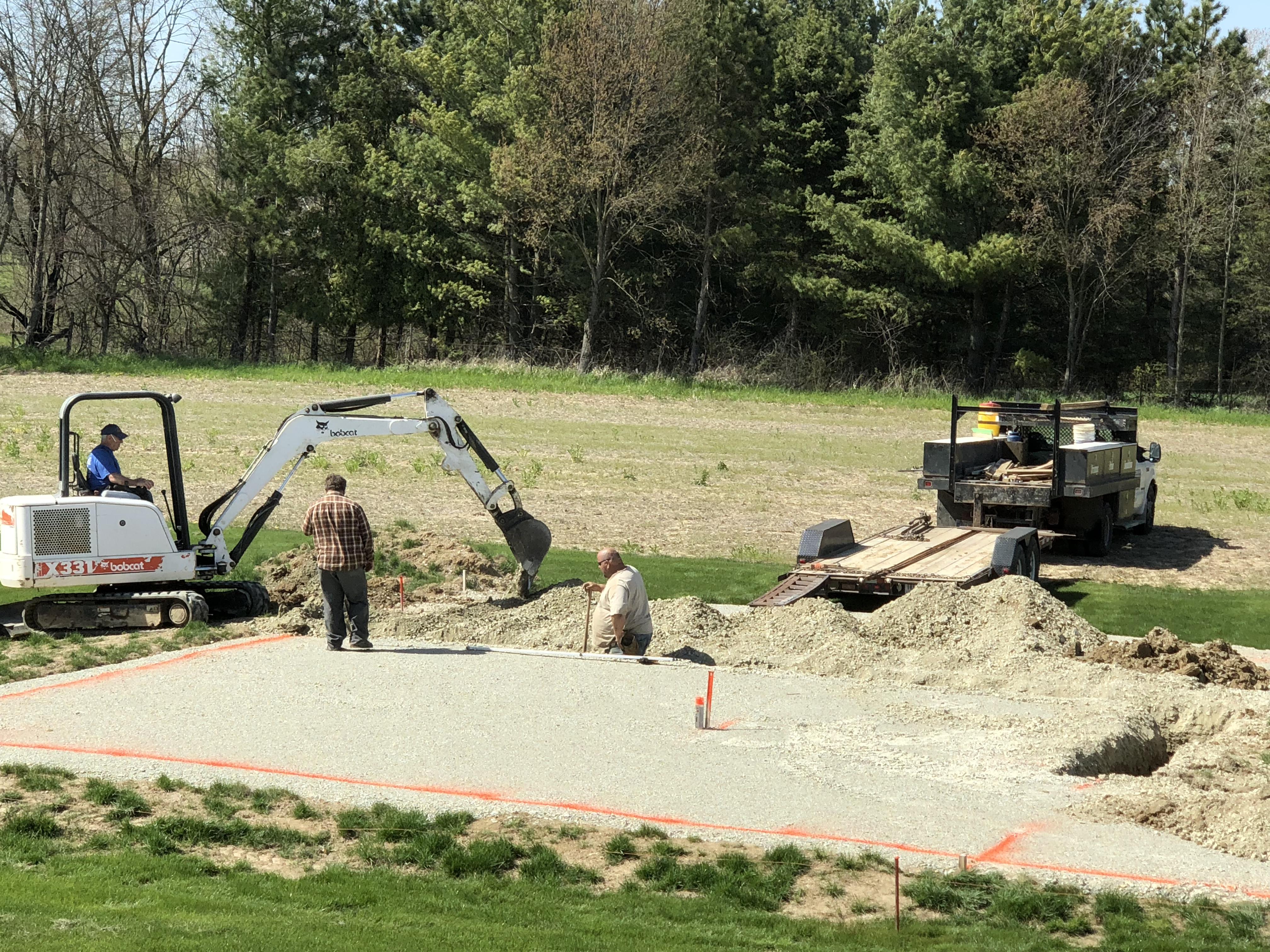
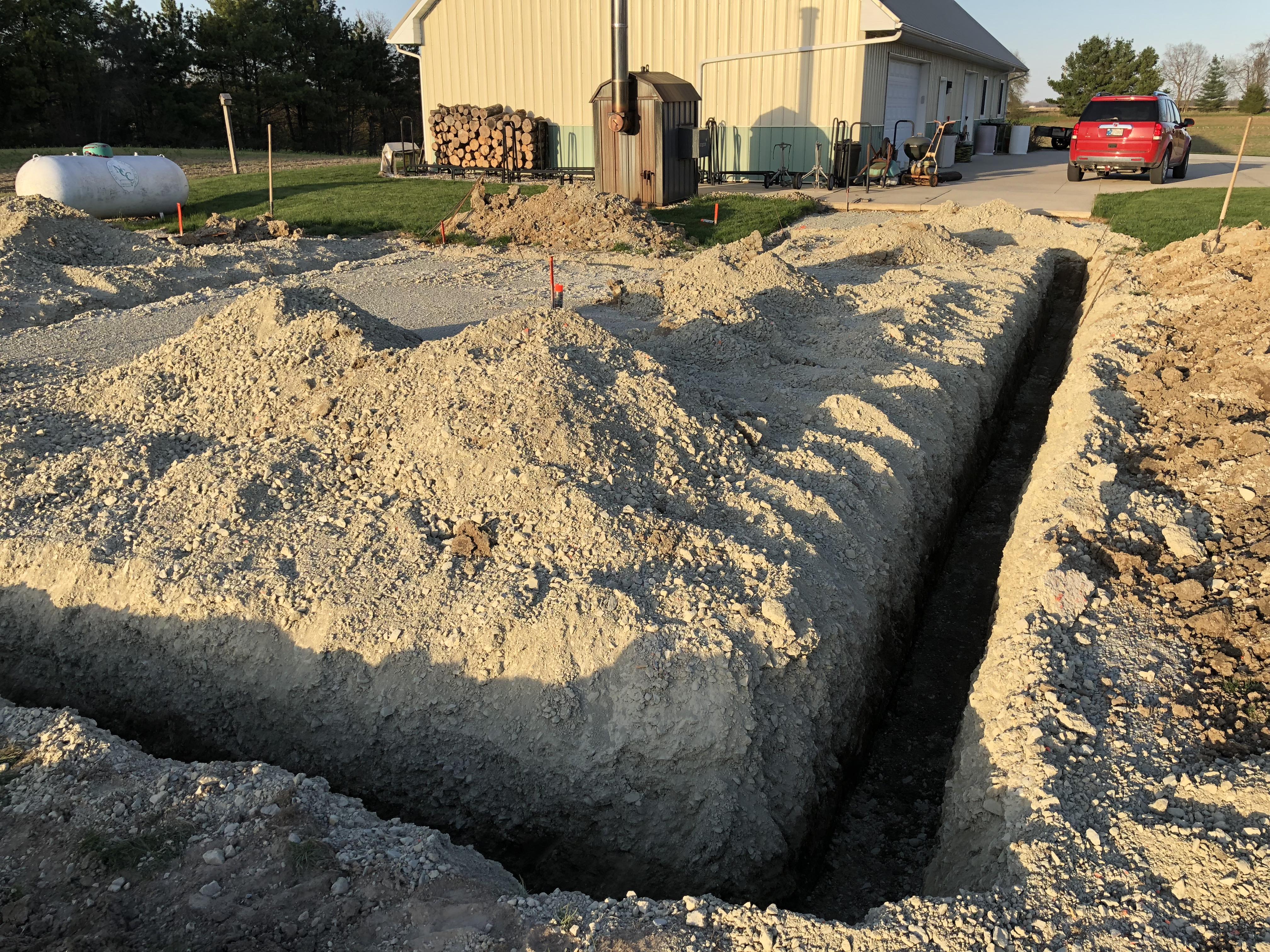
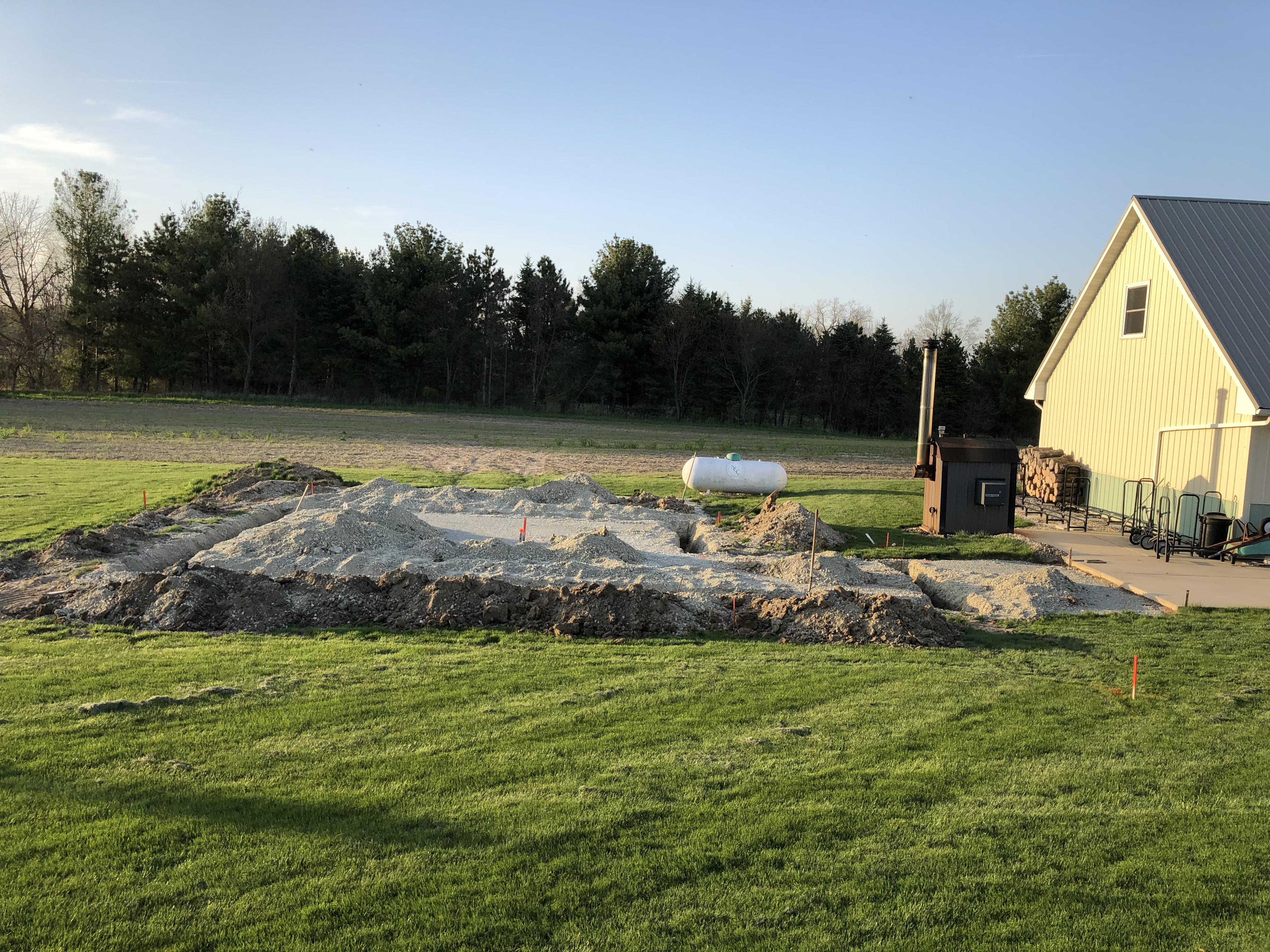
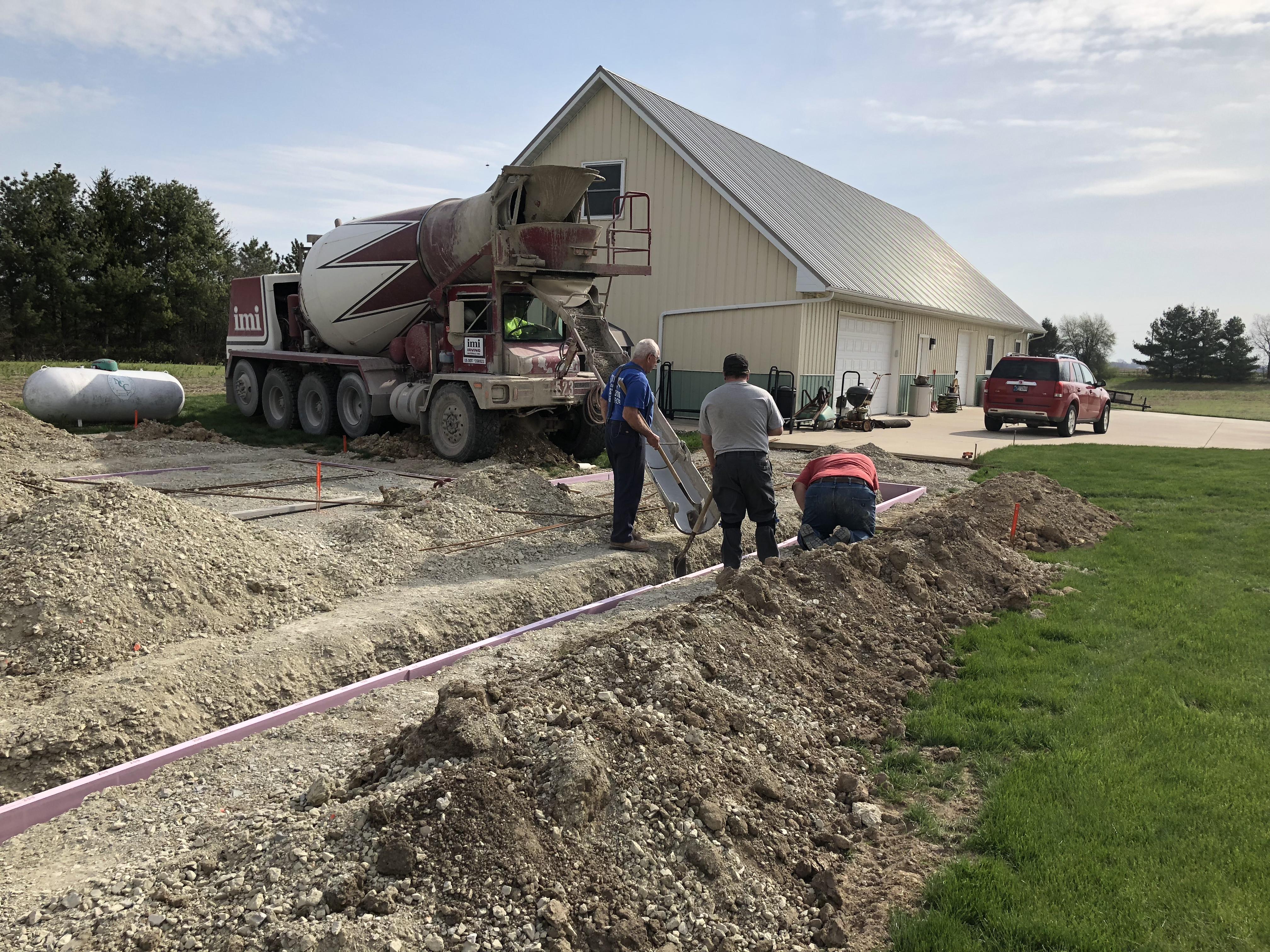
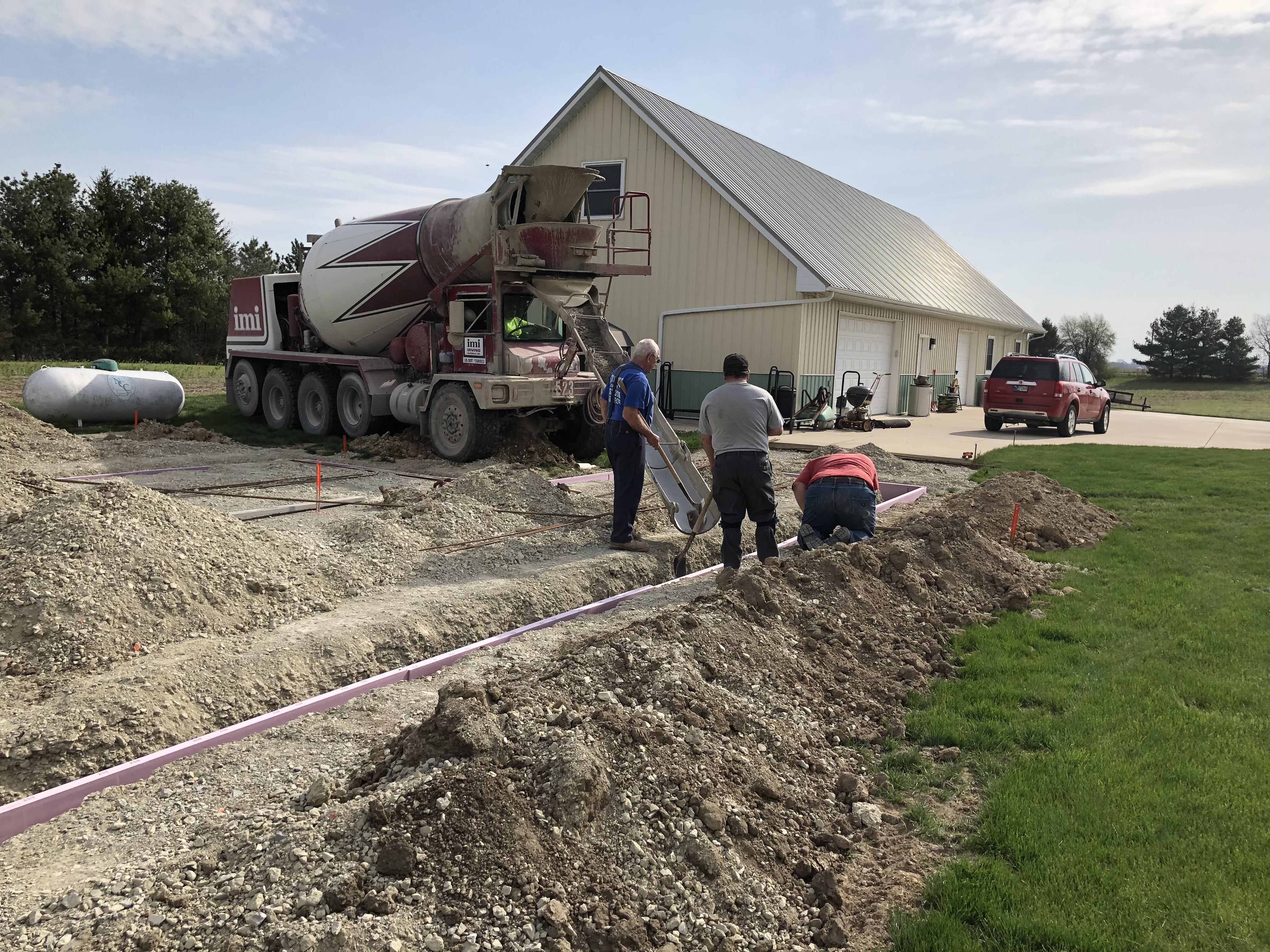
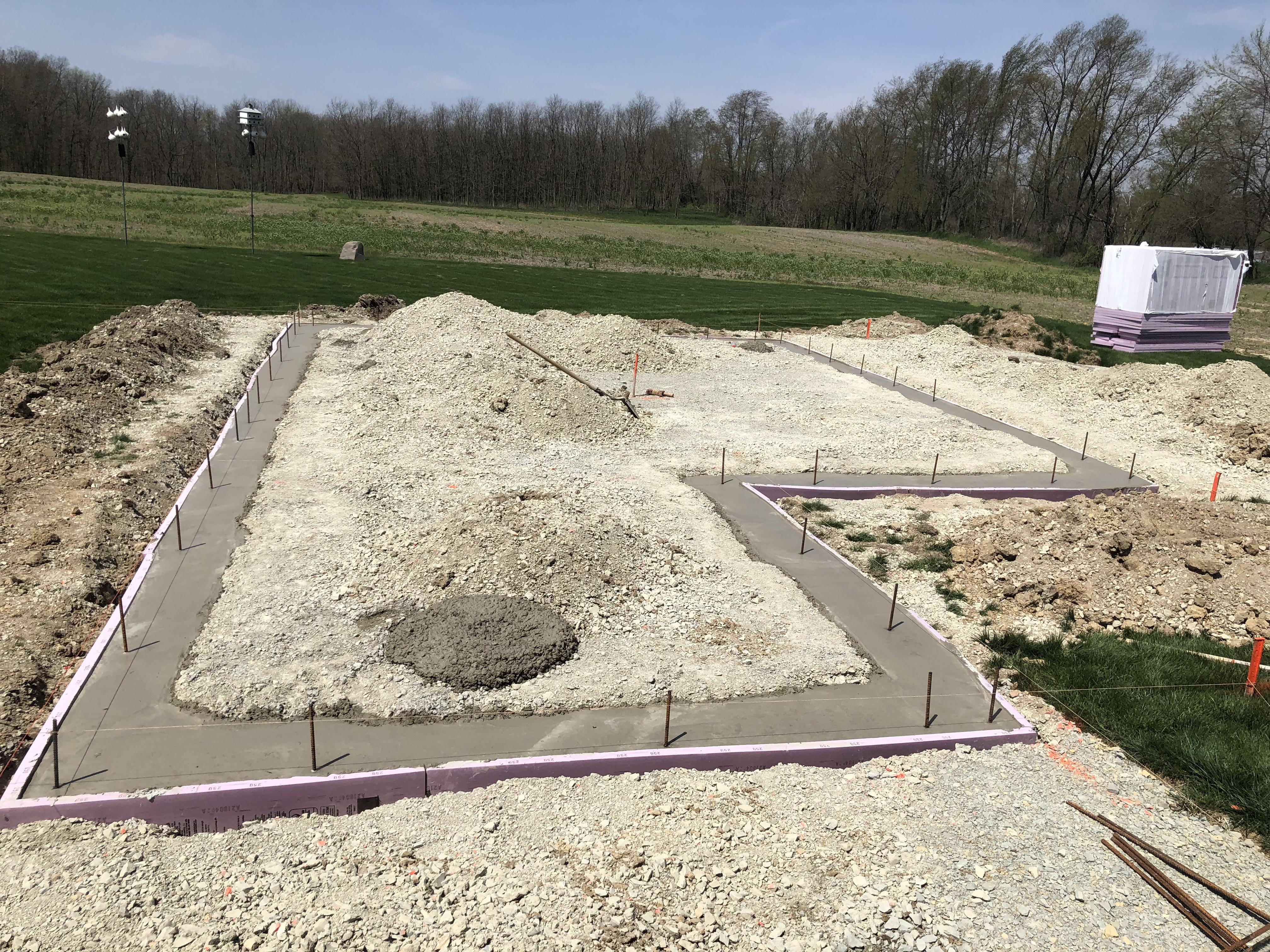
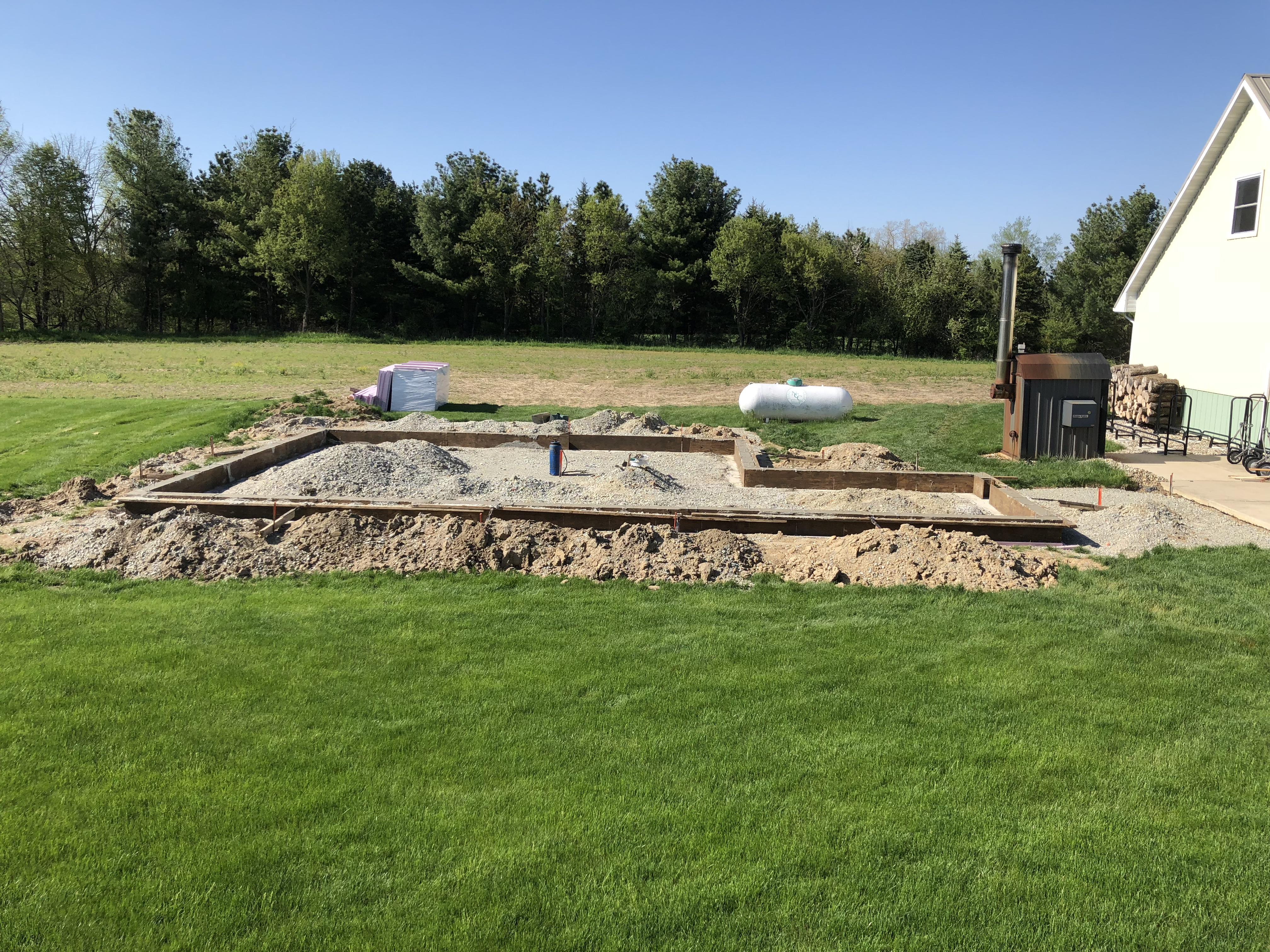
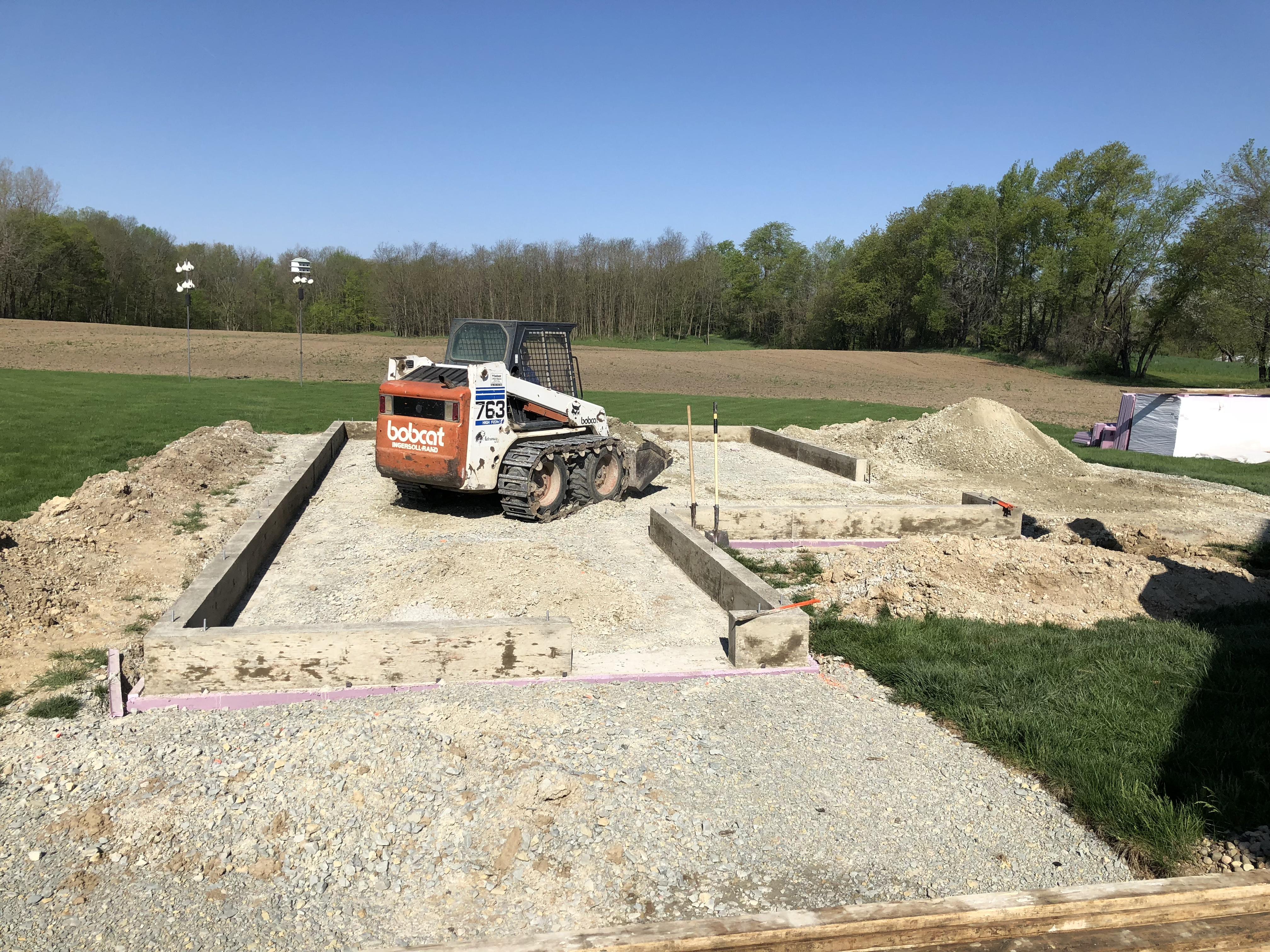
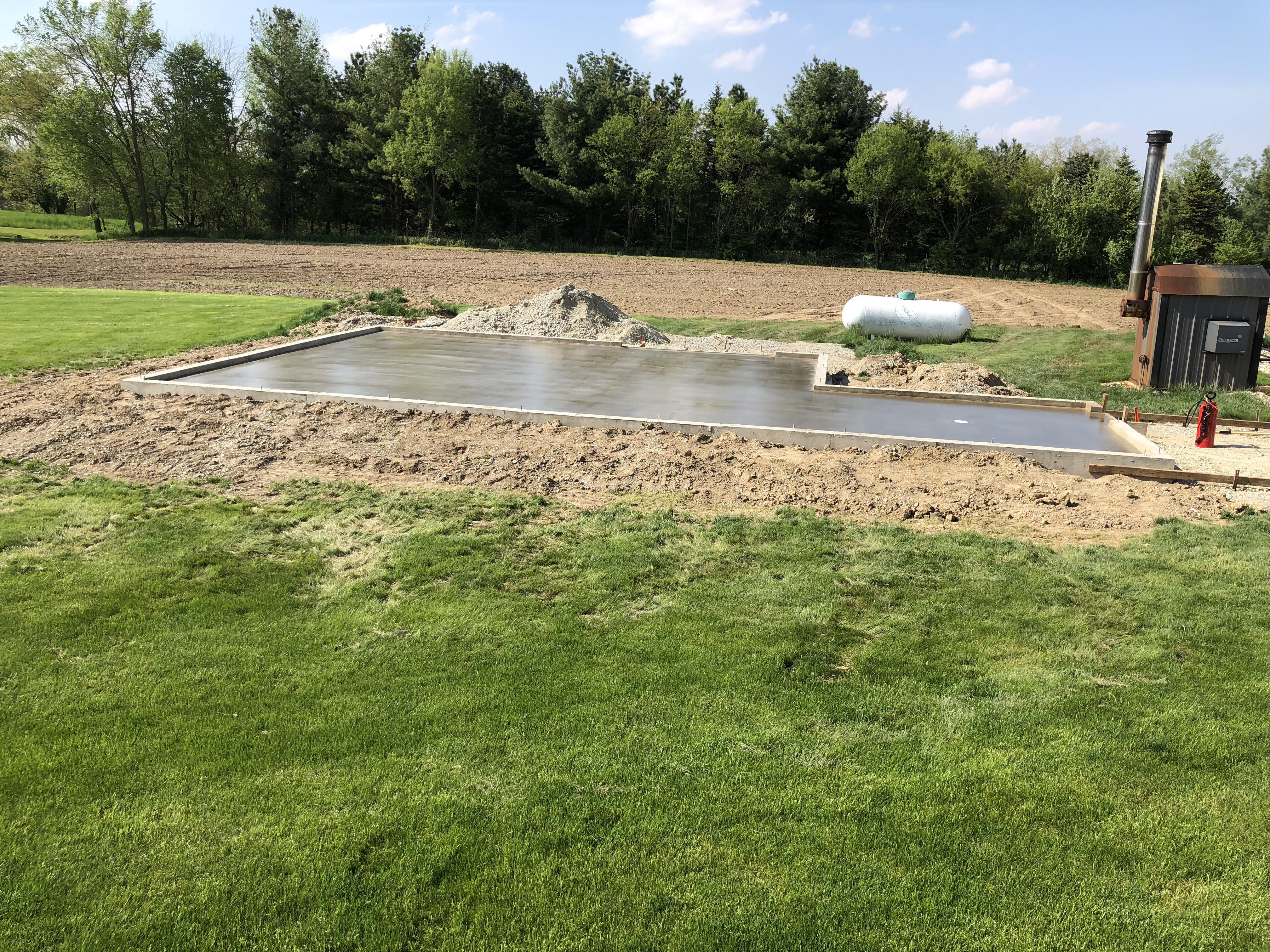
A Soggy Start Spring of 2008 was unusually wet, and I was trying to get a solar kiln built. Once the weather finally broke in May, we began ground preparation and dug the foundation footers. Soon after, the concrete slab was poured for a 28×24 storage building and an attached 12×12 solar kiln.
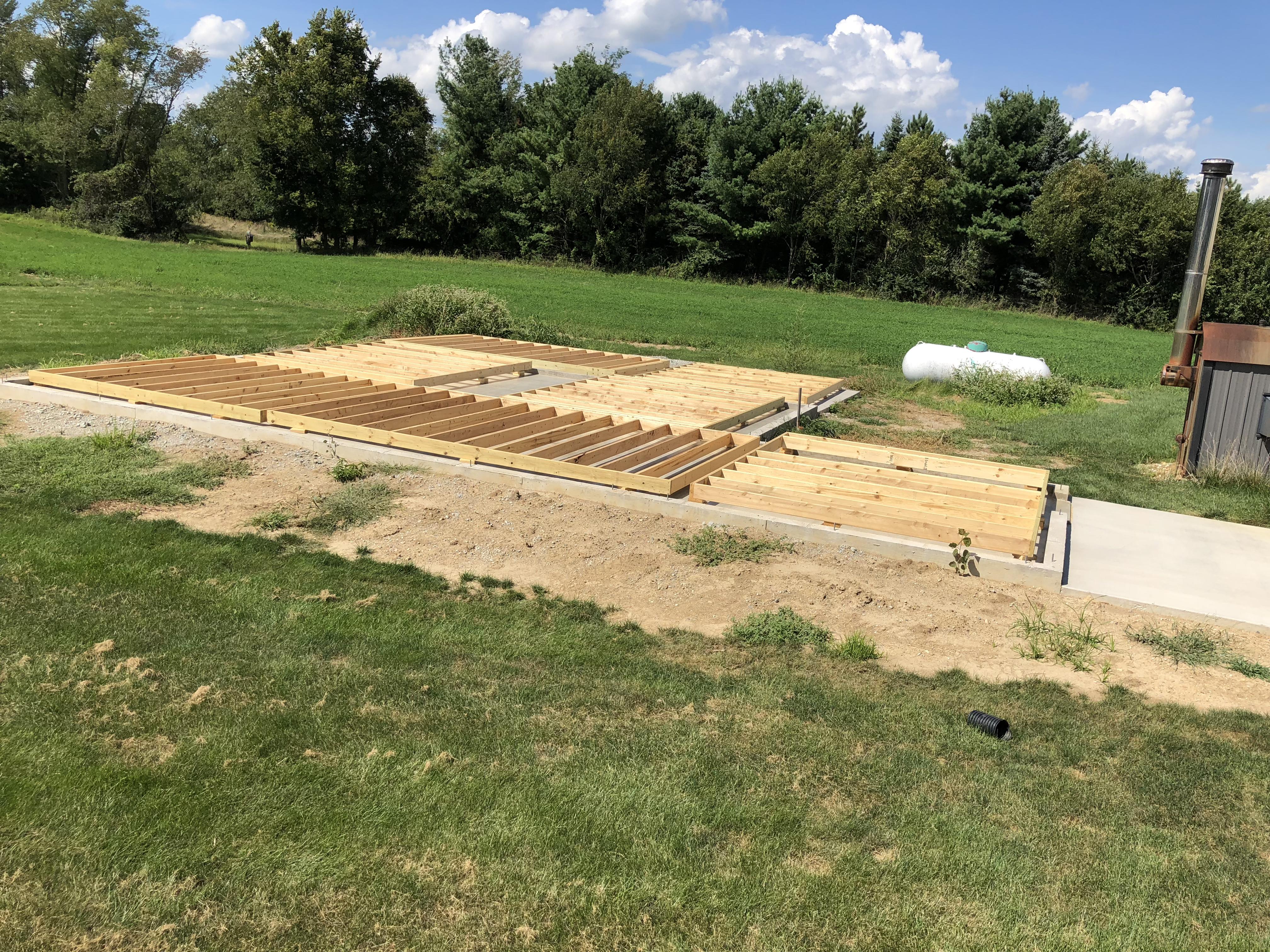
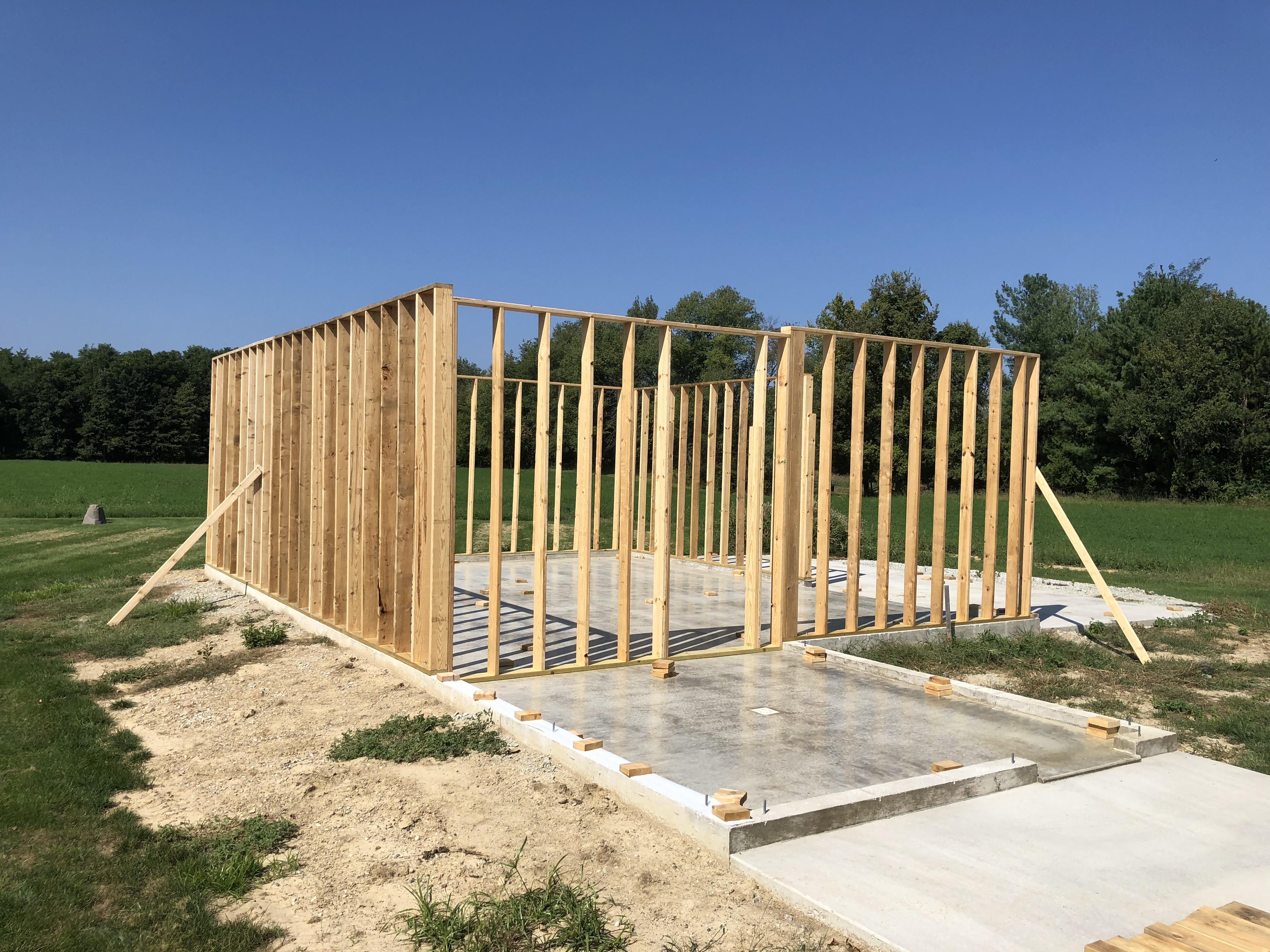
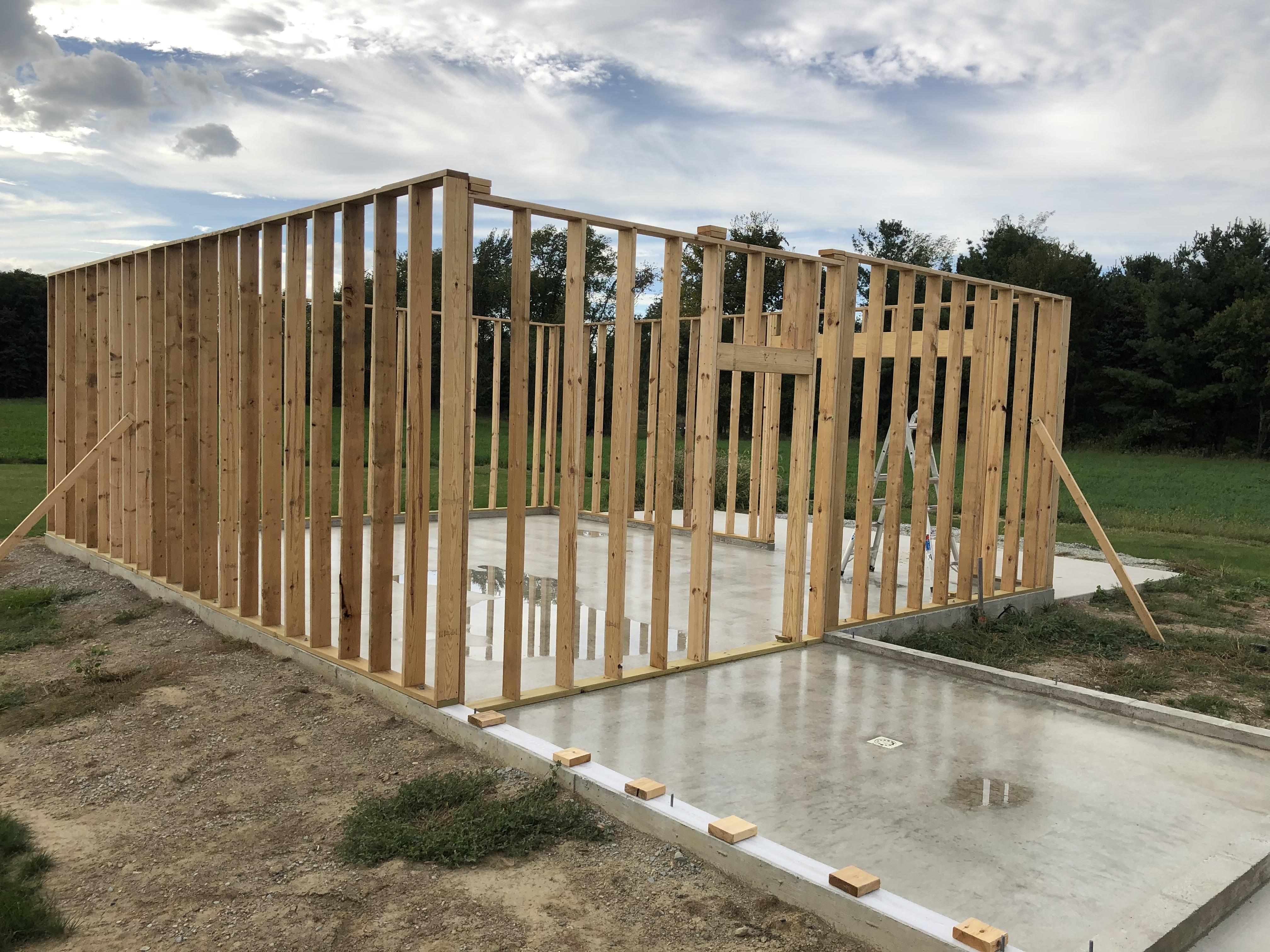
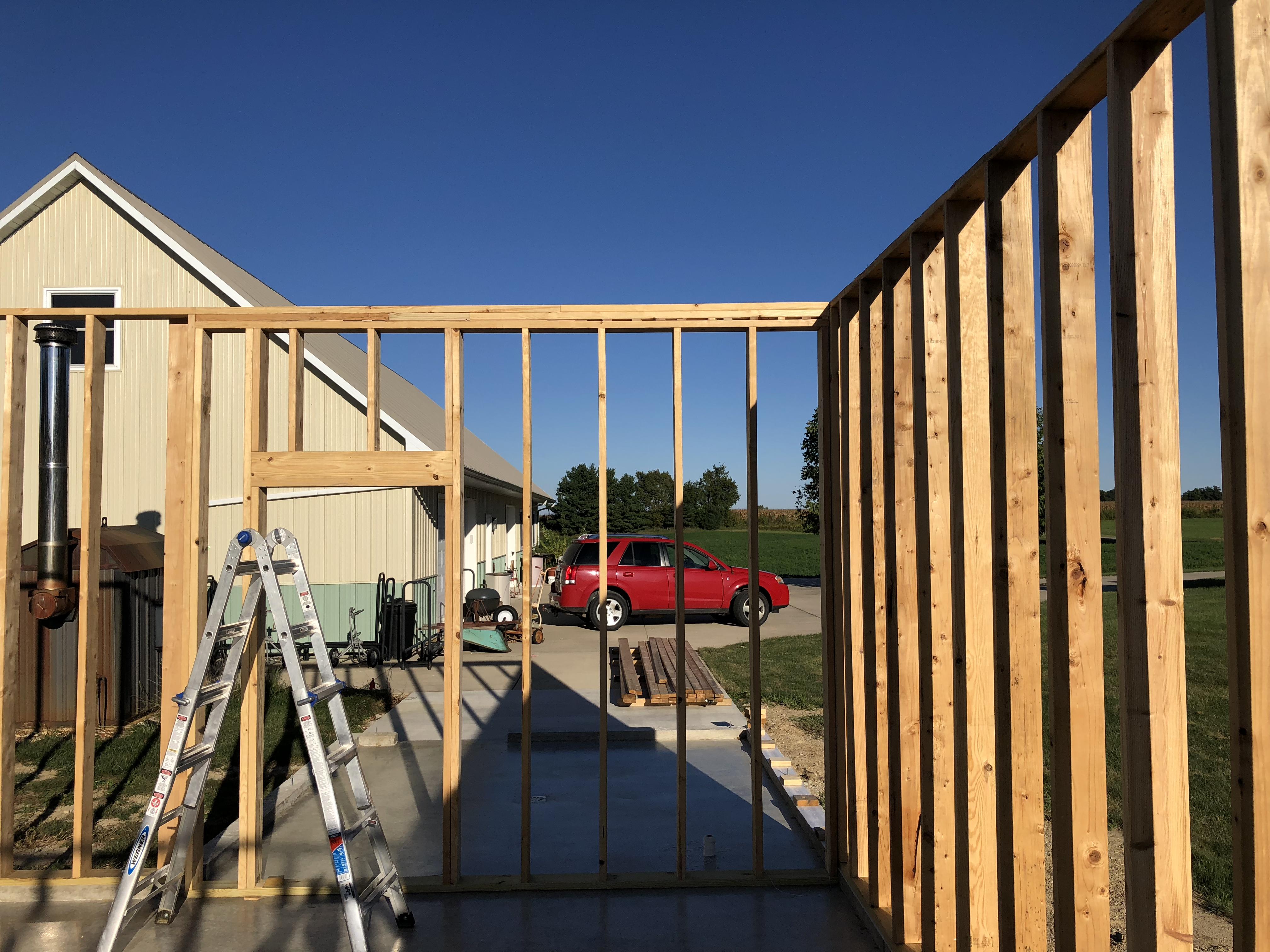
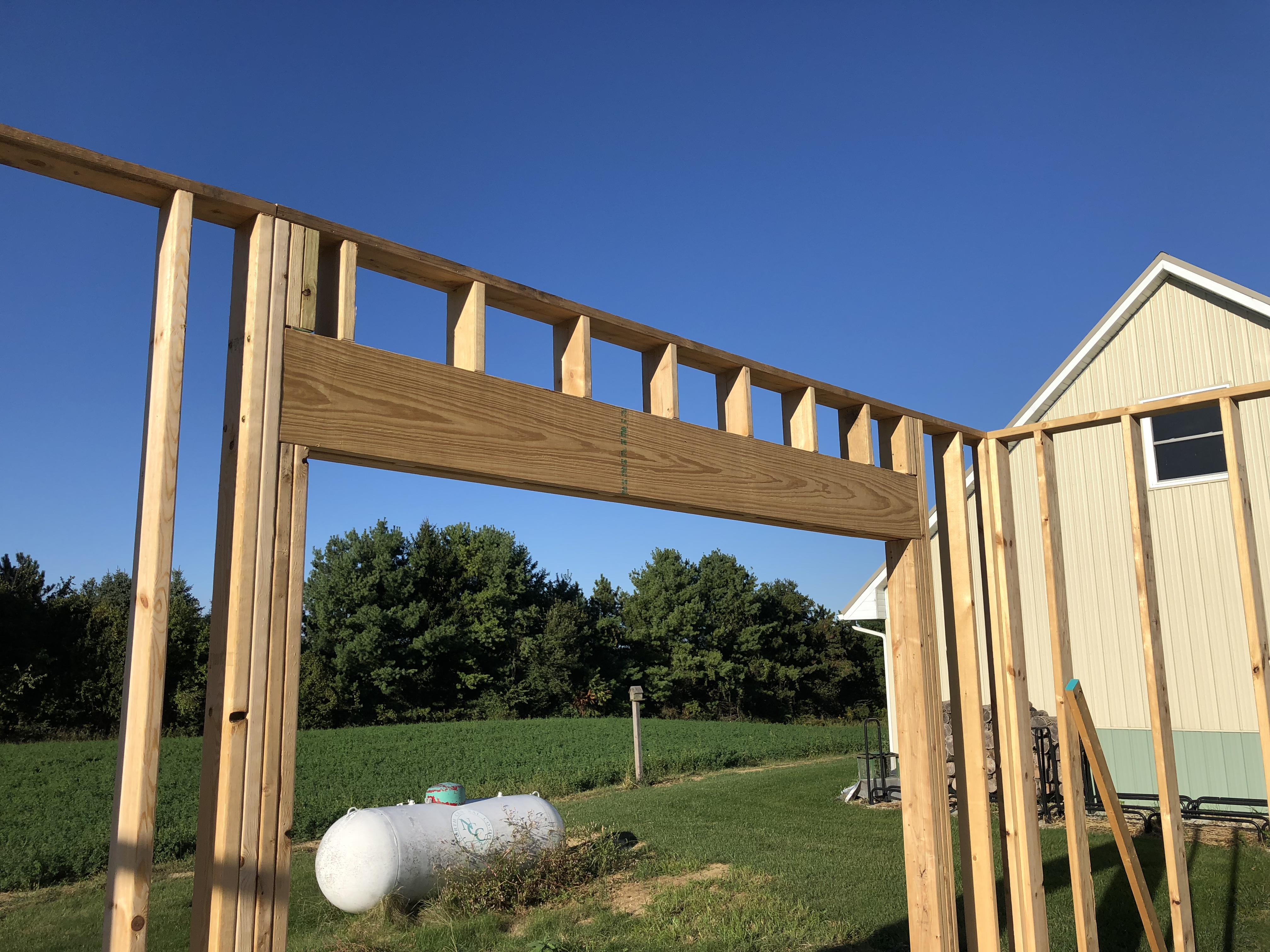
Building Alone I originally had someone lined up to help with construction, but he backed out right after the concrete was finished. I couldn’t stand to see the slab sitting empty, so I decided to start the build myself. I had already drawn the entire structure in AutoCAD, so I knew exactly what materials I needed. I ordered the lumber, framed the walls, and got them erected on my own.
Help Arrives Around that time, I learned my neighbor was a contractor — and he had time to help. He ordered the trusses, metal roofing, and siding. Since the project was practically in his backyard, it worked out well for both of us. They did excellent work, and together we got the exterior completed.
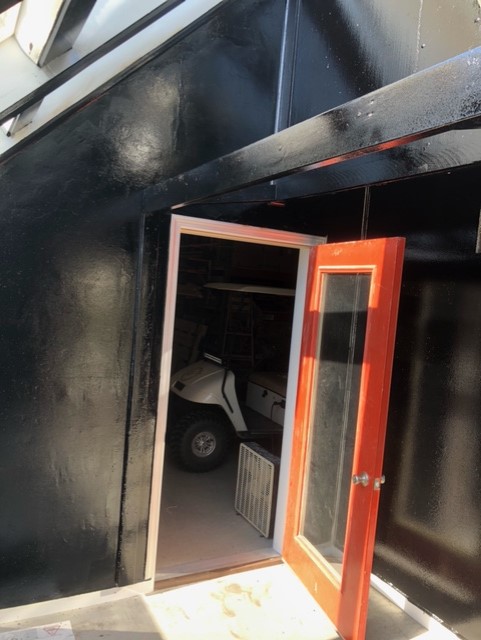
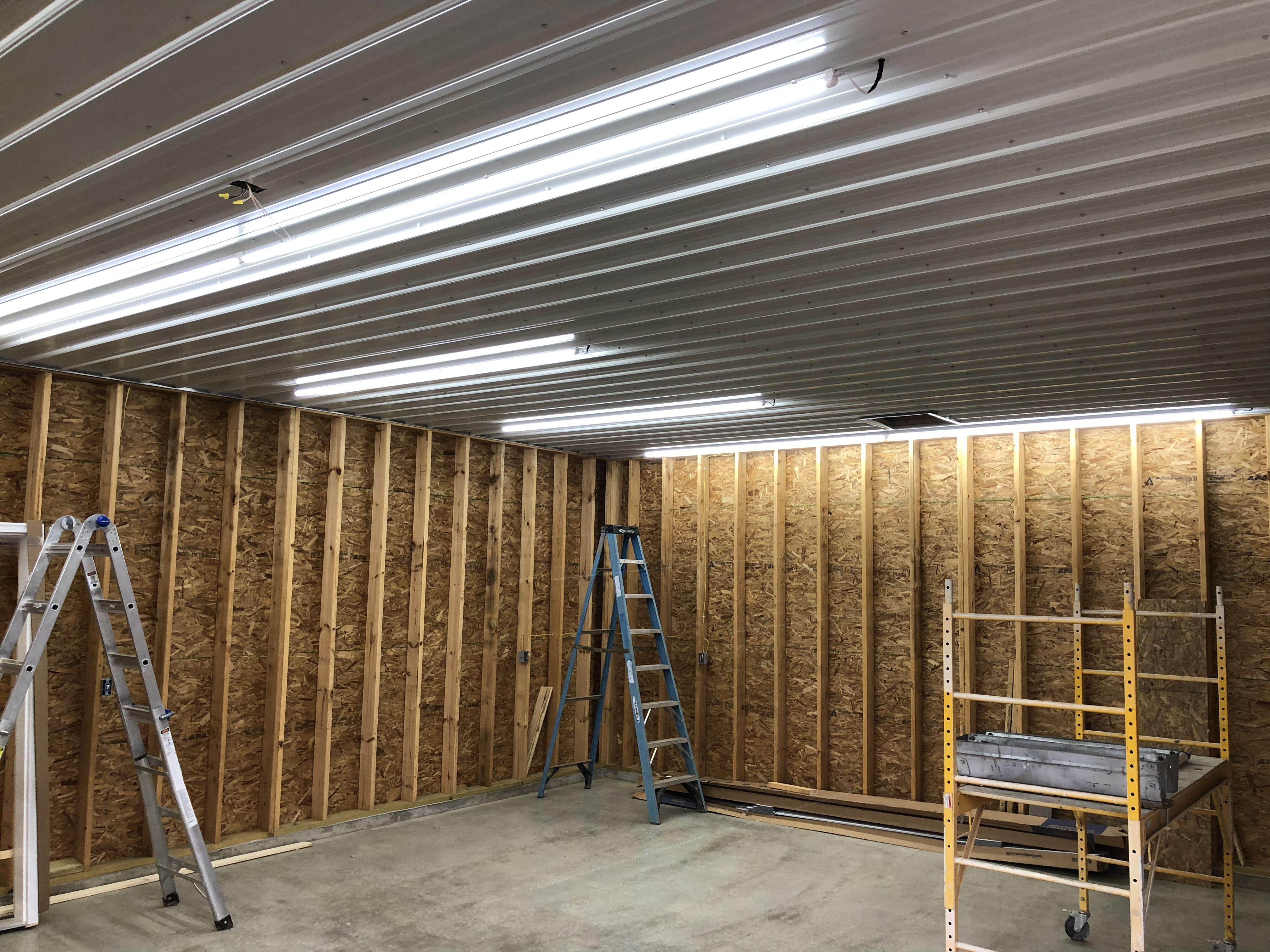
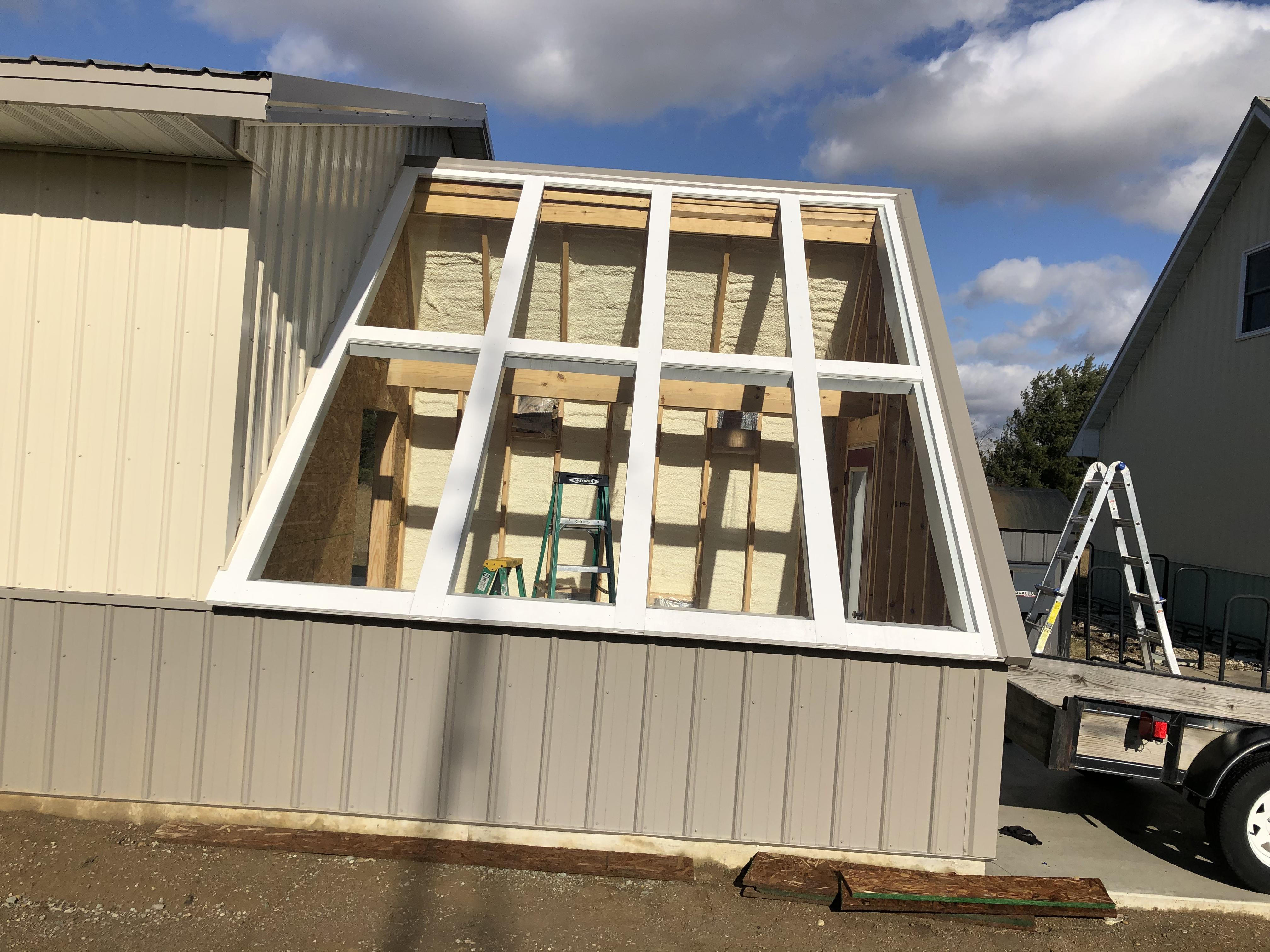
Interior Work Inside, I used a thin layer of spray foam to seal air gaps, followed by batt insulation. I did the same in the kiln. After researching proper kiln coatings, I used an aluminum‑based primer followed by Kiln Seal, a thick rubberized coating that has held up extremely well even at 140°F.
The kiln needed to reach at least 120°F for 6 hours to kill powder‑post beetles, so durability and heat retention were critical.
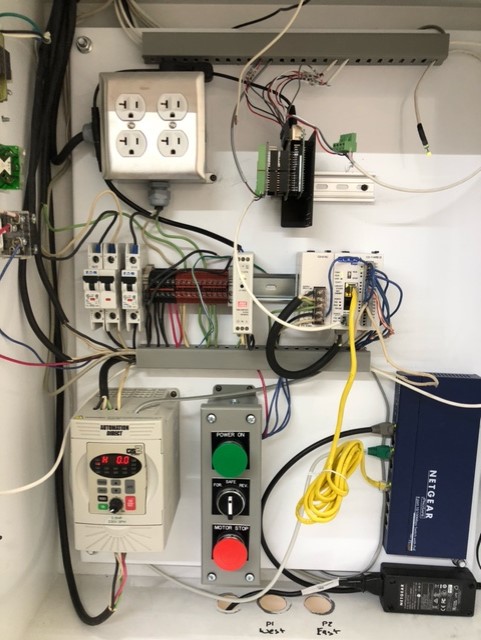
Automation & Controls I wanted more than just a passive kiln — I wanted control. I added:
A PLC to manage fan and vent operation based on temperature and humidity
An Arduino with temp/humidity sensors
Help from a robotics‑group mentor to handle the Arduino coding
A Raspberry Pi interface so I could monitor conditions from my computer
A 3‑phase fan motor with a variable‑frequency drive for adjustable airflow
The kiln design itself was based loosely on Wood Magazine Issue #70, but heavily modified to support automation and higher performance.
Result The finished structure is solid, efficient, and fully functional. The kiln reaches the temperatures needed for both drying lumber and killing pests, and the automated controls make it easy to manage. It remains one of the most technically involved and rewarding projects I’ve built.

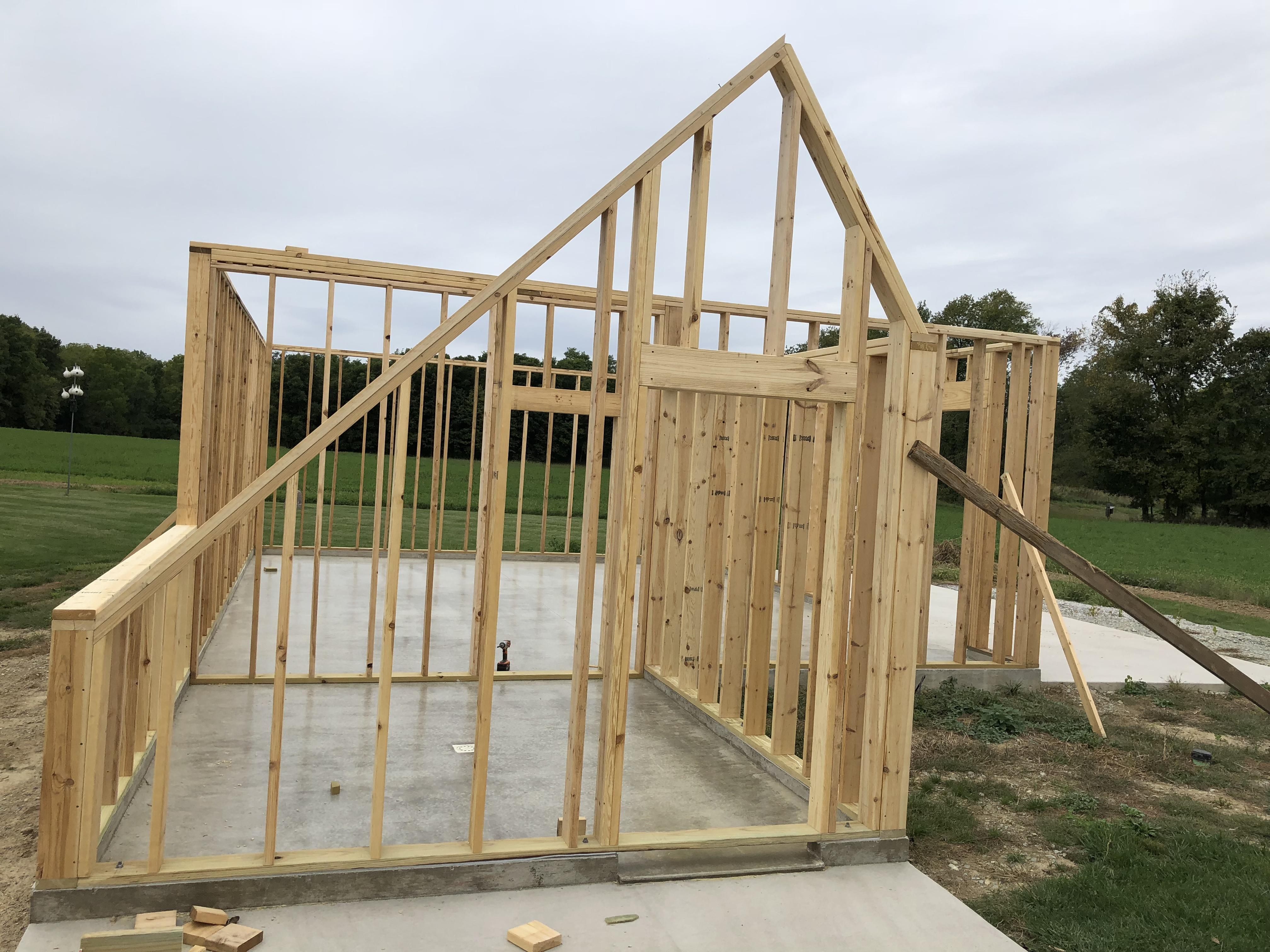
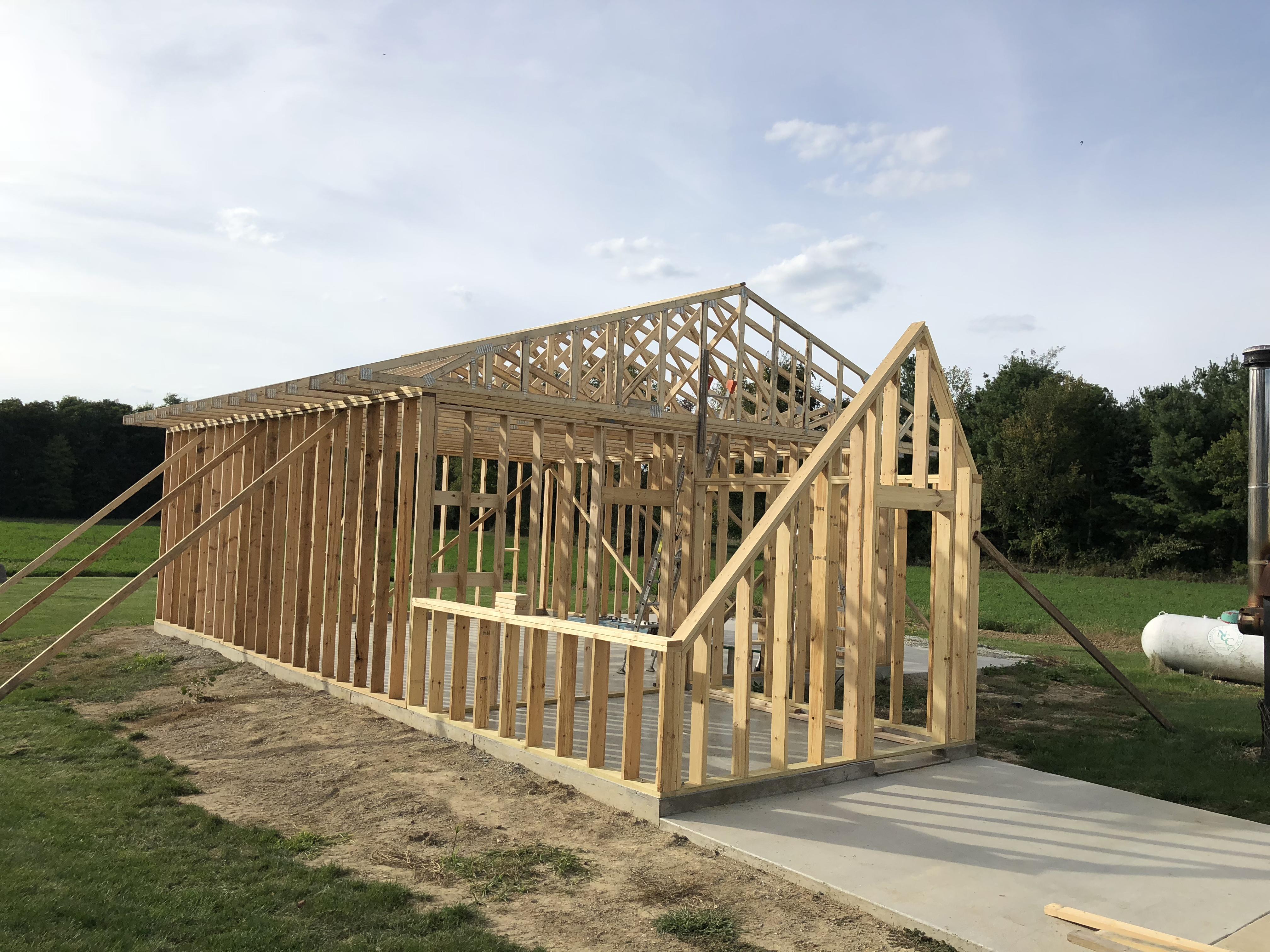
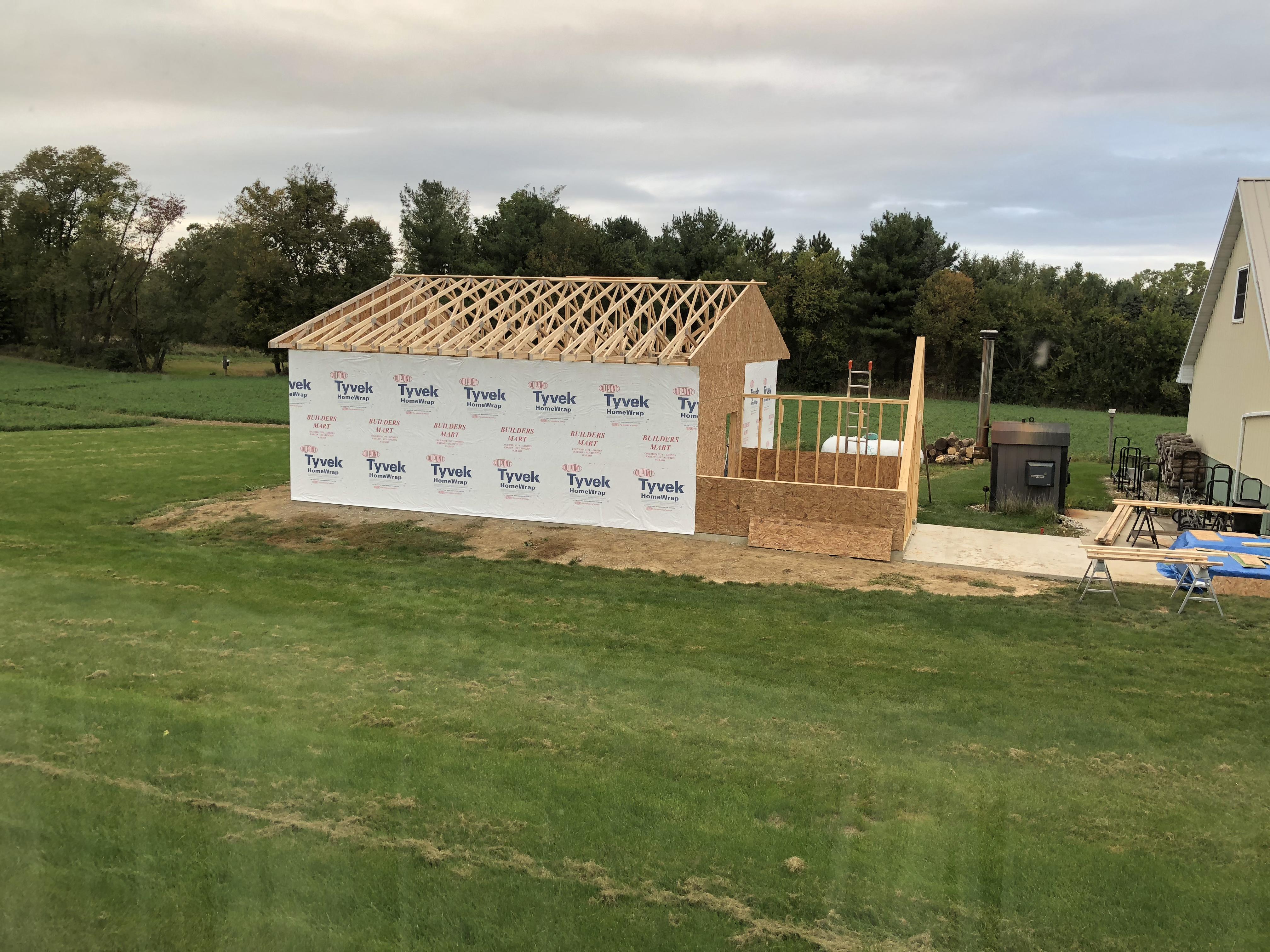
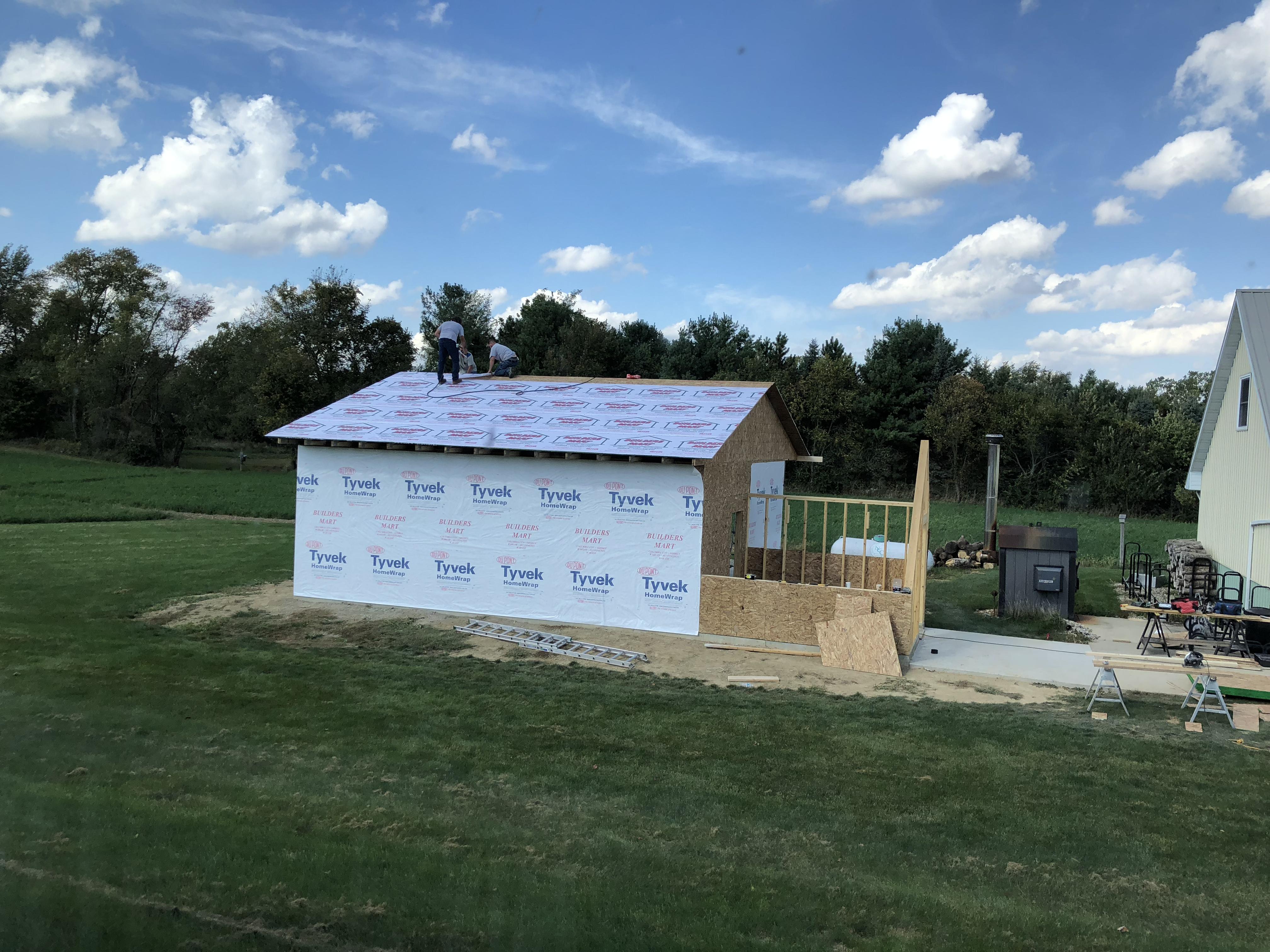
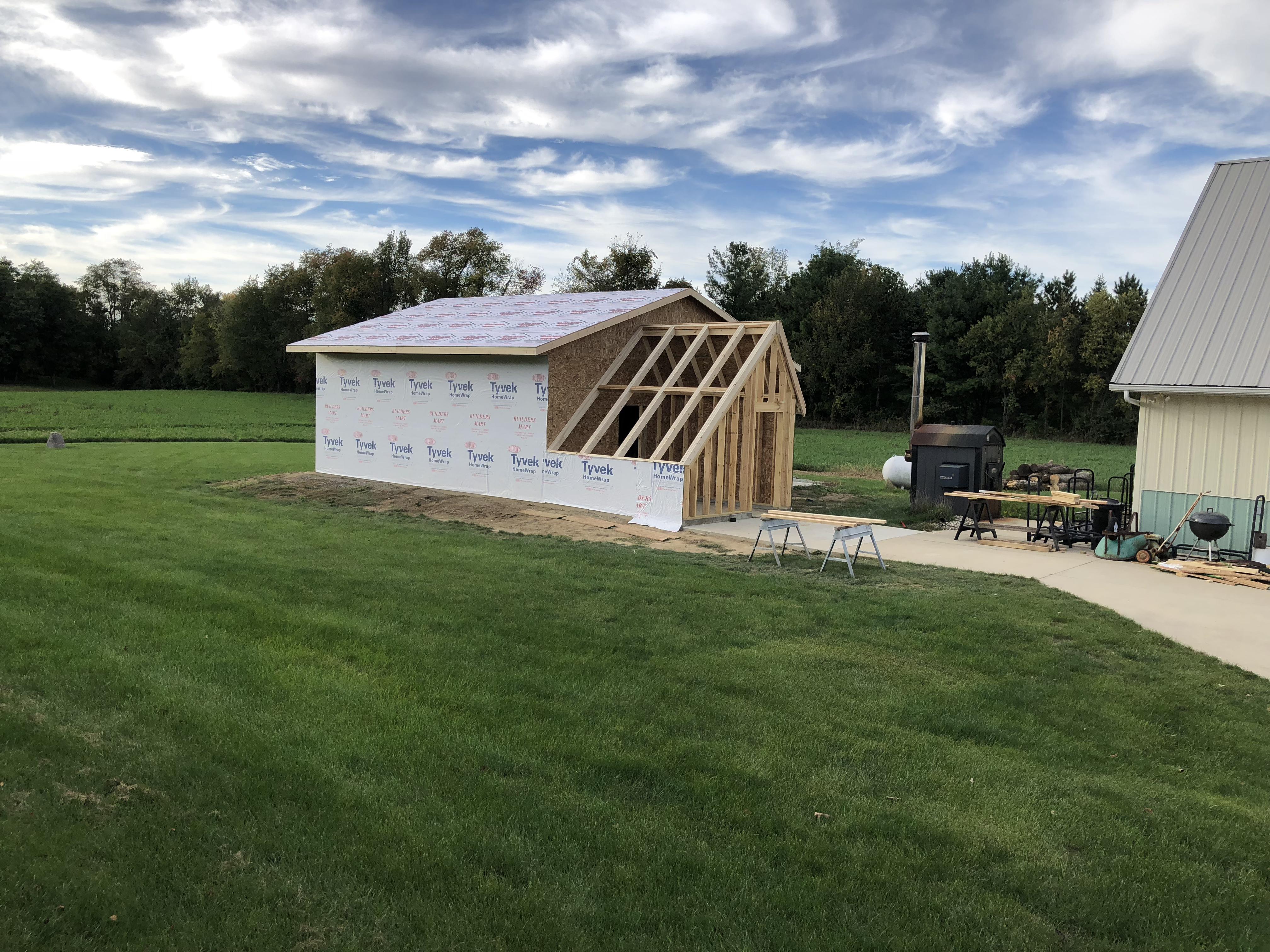
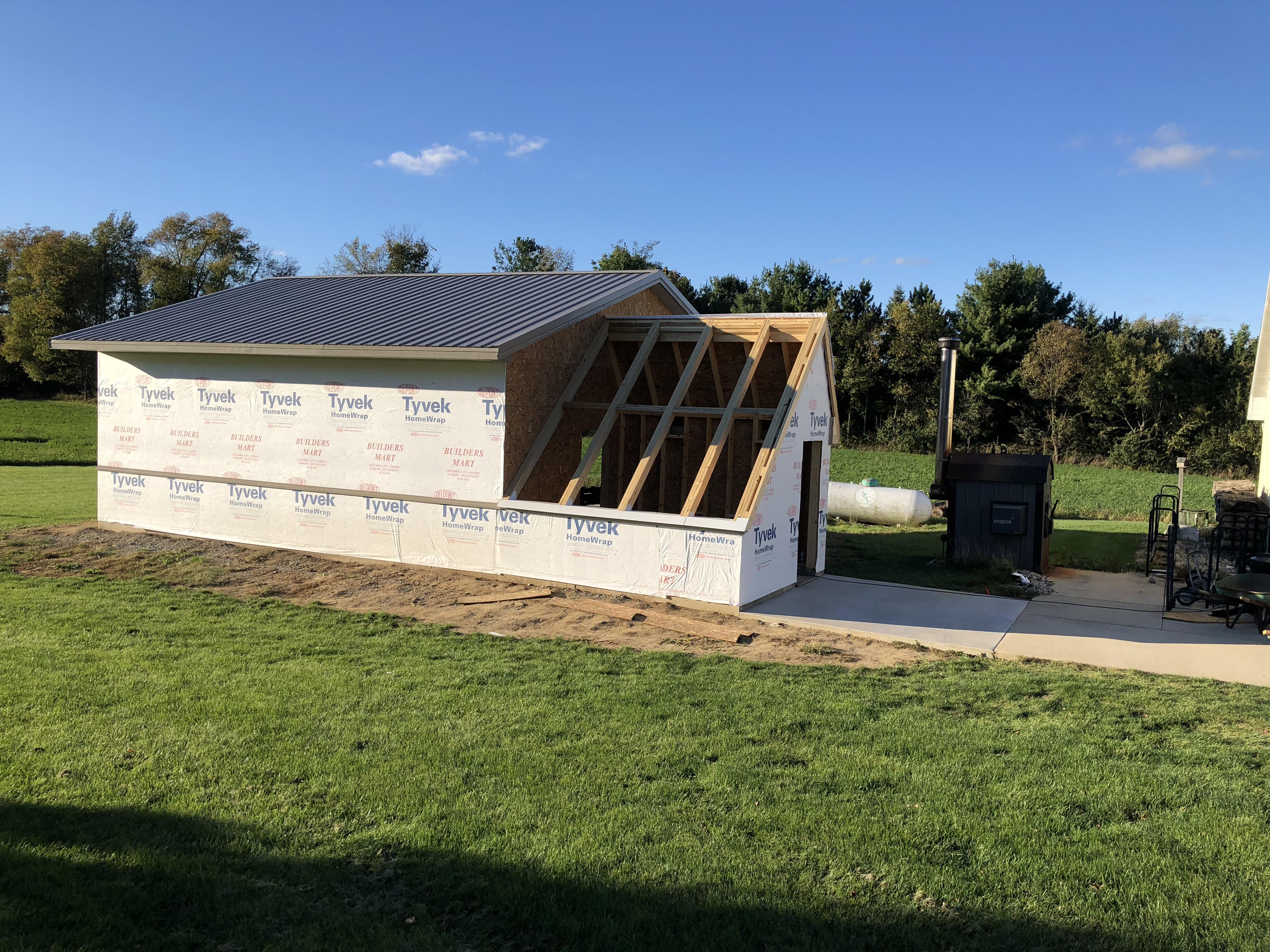
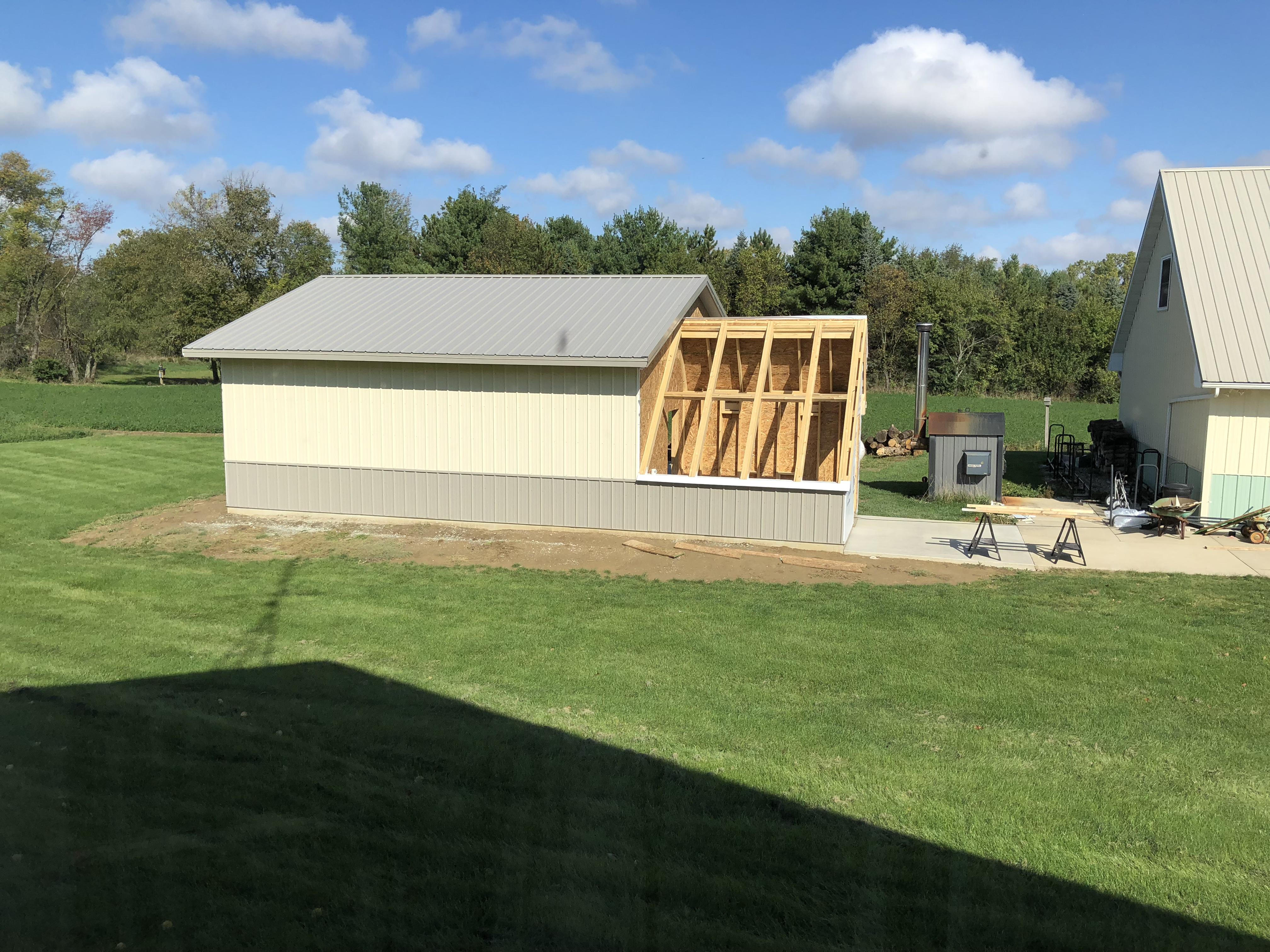
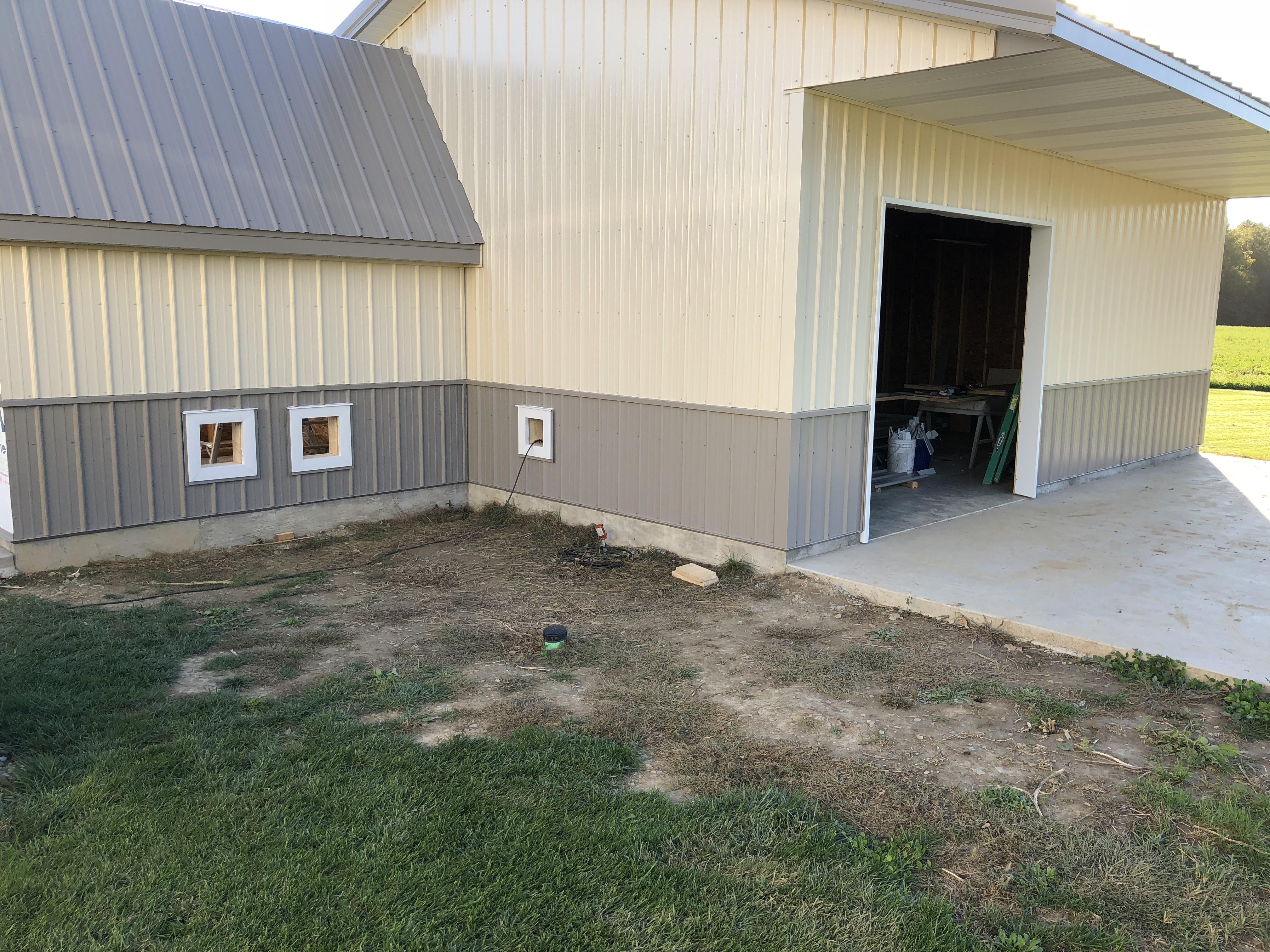
From the library, used in this build.
TRC Kiln Seal News Letter
Solar kiln: Wood Magazine
Wood Magazine build your own Solar Kiln
aluminum kiln seal
ALUMINUM KILN SEAL is an asphalt based material which provides a tough, heat-holding film over masonry, metal or wood dry kilns, preventing the deterioration of these surfaces. ALUMINUM KILN SEAL contains a superior grade of specially processed asphalt and high grade aluminum flakes that provide extra long service life.
Fan Speed for Solar Kilns
Advice on maintaining appropriate air flow over the stack in a solar drying kiln. March 26, 2013
MSDS Kiln Seal
KILN SEAL is an asphalt based material which provides a tough, heat-holding film and long-lasting barrier against moisture and heat in lumber dry kilns. KILN SEAL is used to prevent the deterioration of dry kiln walls, ceilings and decking; to help ensure proper moisture level; to help maintain heat control. It is designed to be used over masonry, wood, and metal surfaces.
Trees to Lumber
Dan Meyer's publication on processing trees to lumber for hobbyists and small businesses provides valuable insights into the process of obtaining logs, sawing them into lumber, and preparing lumber for drying. The publication includes designs for a simple solar kiln, which is a cost-effective and efficient method for drying lumber. Meyer emphasizes the importance of maintaining optimum lumber drying rates and offers advice on constructing a solar kiln to suit the drying needs. The plans given in the publication have been used to construct over 300 kilns nationwide, demonstrating the design's simplicity and adaptability to various sizes
Solar Drying Kiln Plan
A cost-effective and efficient way to take green boards to usable lumber.
Virginia Tech Solar kiln Plans
This publication discusses the design and operation of a solar-heated lumber dry kiln that is designed to be inexpensive to construct and simple to operate. The solar kiln described in this publication was design
Air drying Hardwood lumber
Drying Hardwood Lumber focuses on common methods for drying lumber of different thickness, with minimal drying defects, for high quality applications. This manual also includes predrying treatments that, when part of an overall quality-oriented drying system, reduce defects and improve drying quality, especially of oak lumber. Special attention is given to drying white wood, such as hard maple and ash, without sticker shadow or other discoloration.
750 board feet solar Kiln Drying
The enclosed plans provide a basic blueprint for a small solar lumber dry kiln. The kiln will hold approximately 750 board feet of 4/4-inch lumber, although this capacity can vary significantly depending upon lumber and sticker thickness. Be aware that solar kilns only operate effectively during the summer months in northern climates. They can work for the hobby woodworker but are not dependable for larger manufacturing operations. If you require a steady material flow, you may want to consider a more conventional kiln design.
Drying Hardwood lumber kiln
rying Hardwood Lumber focuses on common methods for drying lumber of different thickness, with minimal drying defects, for high quality applications. This manual also includes predrying treatments that, when part of an overall quality-oriented drying system, reduce defects and improve drying quality, especially of oak lumber. Special attention is given to drying white wood, such as hard maple and ash, without sticker shadow or other discoloration.
Drying Hardwood Lumber
msds kin seal
KILN SEAL is an asphalt based material which provides a tough, heat-holding film and long-lasting barrier against moisture and heat in lumber dry kilns. KILN SEAL is used to prevent the deterioration of dry kiln walls, ceilings and decking; to help ensure proper moisture level; to help maintain heat control. It is designed to be used over masonry, wood, and metal surfaces.
Mtrzd Damper, For Fan Dia. 12", 100-240V
15 In.H-W 12 In.L Squ Alu Motrzd Contrl Damper, For Nominal Duct Diameter Not Applicable, Damper Application Motorized, Number of Panels 1, Overall Height 15 in, Overall Length 12 in, Rough Opening Shape Square, For Duct Shape Square, Overall Width 15 in, Frame Material Thickness 0.1 in, Blade Material Aluminum, Maximum Air Pressure 4 in wg, Overall Diameter 15 in, Rough Opening Length 13 in, Rough Opening Width 13 in, Damper Type Dynamic, Maximum Air Velocity 3500 fpm
Equilibrium Moisture Content
The moisture content of wood depends on the relative humidity and temperature of the air surrounding it. If wood remains long enough in air where the relative humidity and temperature remain constant, the moisture content will also become constant at a value known as the equilibrium moisture content (EMC).
Front View
Drawing